An authentic Udaipur Cultural Journey begins before sunrise, when the city still belongs to the birds.
Long before the first sightseeing boats appear on Lake Pichola and before tourists begin climbing the steps of City Palace, the old city slowly comes alive. Flocks of pigeons circle above centuries-old rooftops while temple bells echo through narrow lanes, welcoming another morning in Mewar. Tea vendors arrange small glasses beside steaming kettles. Priests prepare fresh offerings. Shopkeepers lift wooden shutters that have opened onto these same streets for generations.
This is the Udaipur many visitors never truly experience.
Unlike heritage cities where history survives mainly inside museums, Udaipur carries its culture into everyday life. During an Udaipur Cultural Journey, travelers witness traditions that still breathe through family customs, local craftsmanship, religious ceremonies and the timeless rhythm of the city’s streets.
Table of Contents
ToggleWhy Udaipur Feels Different From Other Heritage Cities
Every historic city in Rajasthan has its own personality.
Jaipur impresses with its grand avenues and royal architecture. Jodhpur dominates the landscape with its mighty fort. Jaisalmer rises dramatically from the desert like a golden mirage.
Udaipur, however, feels different.
Its story is not written in stone alone. It is written in water.
When Maharana Udai Singh II established Udaipur in 1559, he chose a valley protected by the Aravalli Hills and enriched by natural water sources. Over centuries, lakes became the city’s lifeline. Palaces rose beside their shores. Temples overlooked their waters. Communities developed around ghats, gardens and marketplaces connected to these lakes.
Even today, life in Udaipur continues to revolve around water.
People walk early in the mornings by the shores of Fateh Sagar Lake. People relax by the shores of Lake Pichola in the evenings. Festivals take place at the ghats. Rituals take place near the water.
This intimate relationship between people, heritage and nature gives Udaipur a character that cannot be found anywhere else in Rajasthan.
Following the Morning Rhythm of Udaipur
To understand the culture of Udaipur, wake up early.
Many visitors miss one of the most authentic experiences the city offers simply because they begin sightseeing too late.
At dawn, the old city reveals a quieter and more intimate side of itself.
The narrow lanes around Jagdish Temple gradually come alive as devotees arrive carrying flower garlands and offerings. The sounds of devotional songs drift through the streets. Elderly residents gather for conversations over chai. Local shopkeepers exchange greetings before beginning their day.
Walk toward Gangaur Ghat and you will witness scenes that have changed very little over generations.
Women offer prayers beside the lake. Priests perform rituals at small shrines. Students cross ancient pathways on their way to school. Birds skim the calm surface of Lake Pichola while the first rays of sunlight illuminate the domes and balconies of the City Palace.
This daily rhythm offers a glimpse into the real Udaipur, one that exists beyond guidebooks and sightseeing itineraries.
Local Insight
Many visitors head directly to the City Palace after breakfast. Instead, spend your first hour in Udaipur walking from Jagdish Temple to Gangaur Ghat and then toward Chand Pole. You will experience more local culture in that short walk than many tourists discover during an entire day of sightseeing.
Walking Through the Streets of the Old City
The soul of Udaipur is not confined to its famous landmarks.
It lives in the streets connecting them.
The old city remains one of the most rewarding areas to explore on foot. Around every corner, there is a story waiting to be discovered.
You may come across an artisan working on restoring a carved wooden door, which has stood the test of time. A small workshop crafting traditional silver jewelry using age-old methods. A cafe run by a family in a heritage haveli overlooking Lake Pichola.
The architecture itself tells stories.
Many buildings feature ornate balconies known as jharokhas originally designed to allow royal women to observe street life without being seen. Intricate doorways display symbols of prosperity and protection. Faded murals hint at a time when merchants, nobles and artisans shaped the city’s prosperity.
One of the greatest pleasures of exploring Udaipur is allowing yourself to get slightly lost.
Unlike planned modern cities, the old quarters evolved organically over centuries. The winding lanes frequently reveal unexpected treasures-a hidden temple, a quiet courtyard, a rooftop view or an artist’s studio.
Some of the city’s most memorable experiences happen when you stop staring at the map and simply wander.
City Palace: The Living Heritage of Mewar
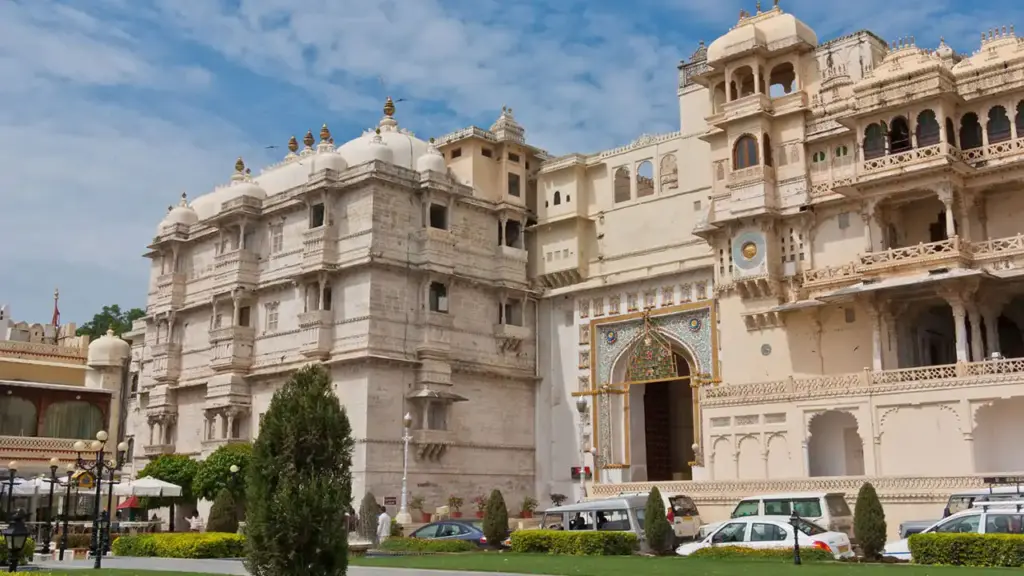
The history of Udaipur cannot be separated from the story of Mewar.
For centuries, the rulers of Mewar became symbols of resistance, resilience and pride. Their legacy remains deeply woven into the identity of Udaipur and continues to influence local culture today.
Nowhere is this heritage more visible than at City Palace.
Rising dramatically above Lake Pichola, the palace complex represents more than royal luxury. It tells the story of a kingdom that survived political upheavals, invasions and changing eras while preserving its distinct identity.
Walking through its courtyards and galleries feels less like visiting a monument and more like turning the pages of a living history book.
Yet the true significance of City Palace lies beyond its architecture.
From palace museums to folk performances, from local legends to community celebrations, the spirit of Mewar remains visible throughout the city.
And perhaps that is what makes Udaipur so compelling.
History here is not a chapter that has ended.
It is a conversation that continues every day.
Bagore Ki Haveli: Where the Past Comes Alive After Sunset
During the day, Bagore Ki Haveli is an interesting heritage museum.
After sunset, it becomes something entirely different.
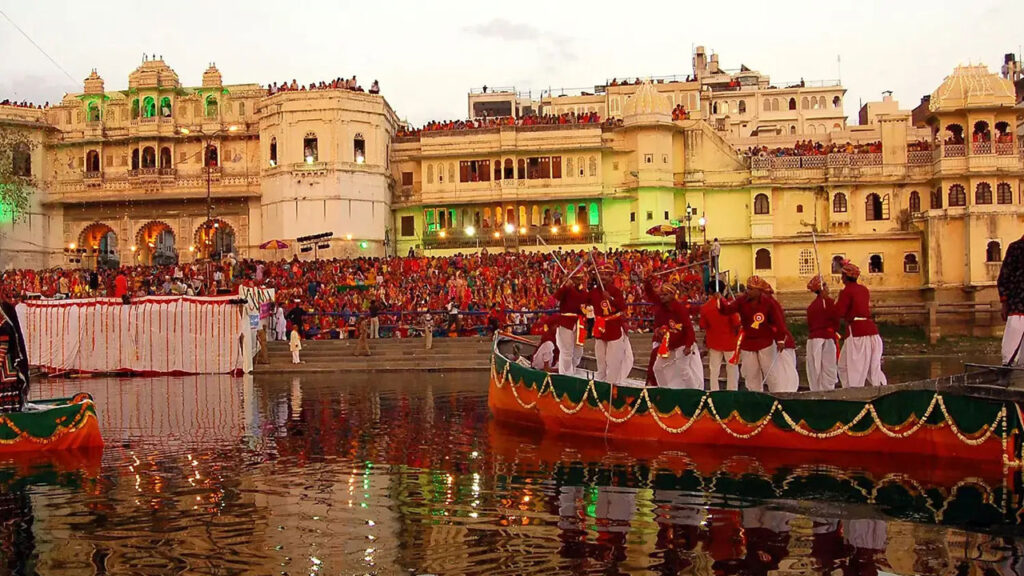
As visitors gather in the courtyard for the evening cultural performance, anticipation slowly builds. The setting itself feels theatrical. Ancient walls surround the audience. Traditional architecture provides an atmospheric backdrop. The sounds of Lake Pichola drift in from nearby Gangaur Ghat.
Then the performance begins.
Folk dances, puppet shows, traditional music and storytelling bring Rajasthan’s cultural heritage to life. The energy is infectious. Performers display remarkable skill, balancing pots, executing intricate dance movements and engaging the audience with humor and enthusiasm.
The experience goes beyond entertainment.
It provides a window into traditions that have shaped the cultural landscape of Rajasthan for generations.

Lakes That Shaped a Civilization
Most cities are built around roads.
Udaipur was built around water.
The rulers of Mewar understood something that many kingdoms ignored: whoever controlled water controlled the future. Over centuries, an interconnected system of lakes, reservoirs, dams and canals transformed this valley into one of Rajasthan’s most prosperous regions.
Even today, Udaipur’s identity remains inseparable from its lakes.
The city’s cultural life unfolds around them. Religious ceremonies take place on their ghats. Families gather beside them in the evenings. Festivals are celebrated on their shores. Artists paint them. Poets write about them. Photographers spend entire days chasing their changing moods.
For many visitors, the lakes become the backdrop of their journey.
For locals, they are part of everyday life.
Lake Pichola: Where Udaipur’s Story Reflects in Water
Every city has a defining image.
For Udaipur, it is undoubtedly the view across Lake Pichola.
The first glimpse often arrives unexpectedly. You turn a corner in the old city, emerge from a narrow lane and suddenly find yourself standing before a vast expanse of water framed by palaces, temples, ghats and distant hills.
The scene feels almost unreal.
Morning brings peace in the water that is only broken by the movements of some birds and boats. Afternoon brings sunshine on the water and people come to see the ghats. Finally, there is sunset, when Lake Pichola becomes famous for its beauty.
Throughout the day, the lake changes character.
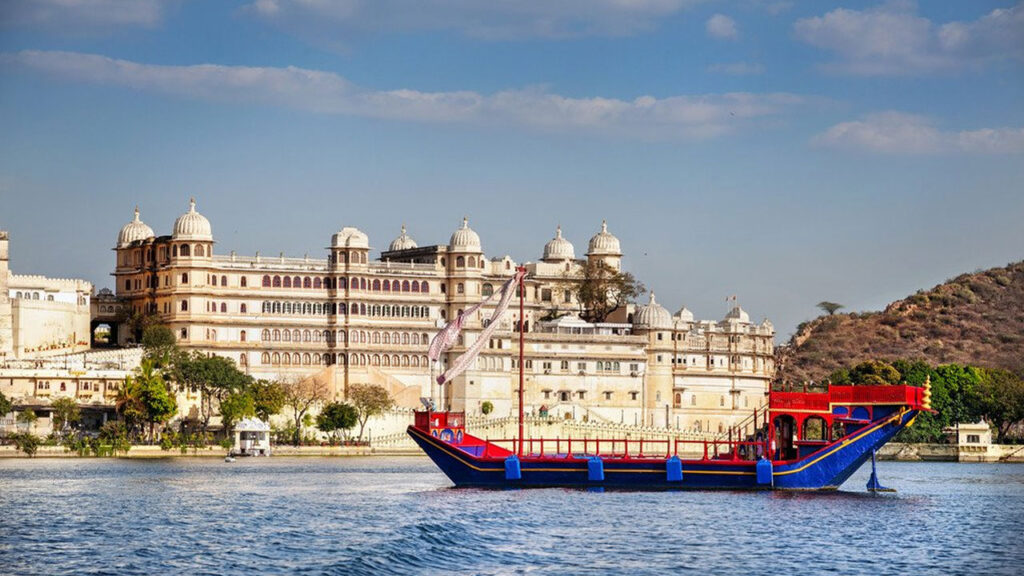
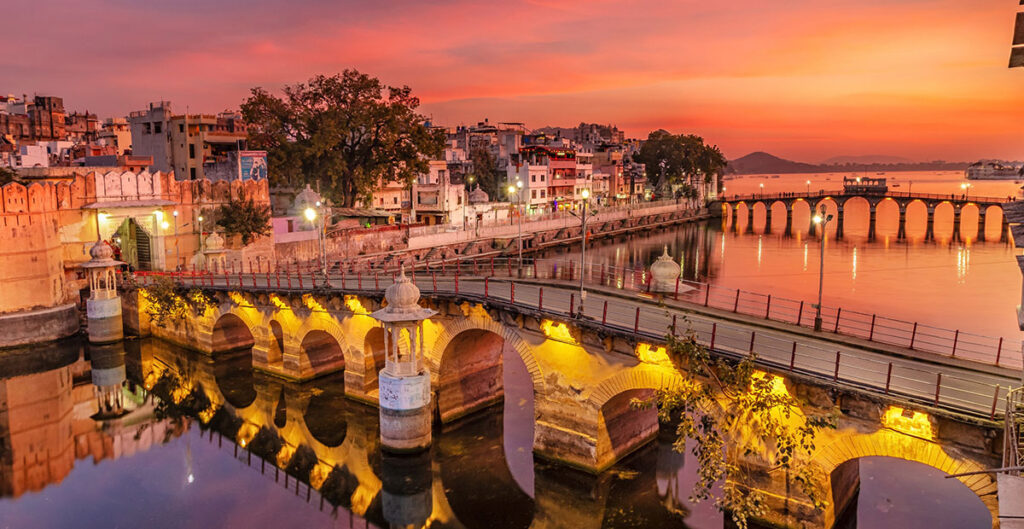
As the sun begins its descent behind the Aravalli Hills, the entire landscape transforms. The marble walls of Jag Mandir glow amber. The City Palace reflects shades of gold and copper. The famous Lake Palace appears to float upon molten light.
Travel comfortably to City Palace, Fateh Sagar, Sajjangarh and other attractions.
Explore Udaipur Without the Hassle
Gangaur Ghat: The City’s Open-Air Living Room
If Lake Pichola is the heart of Udaipur, Gangaur Ghat is where you can hear its heartbeat.
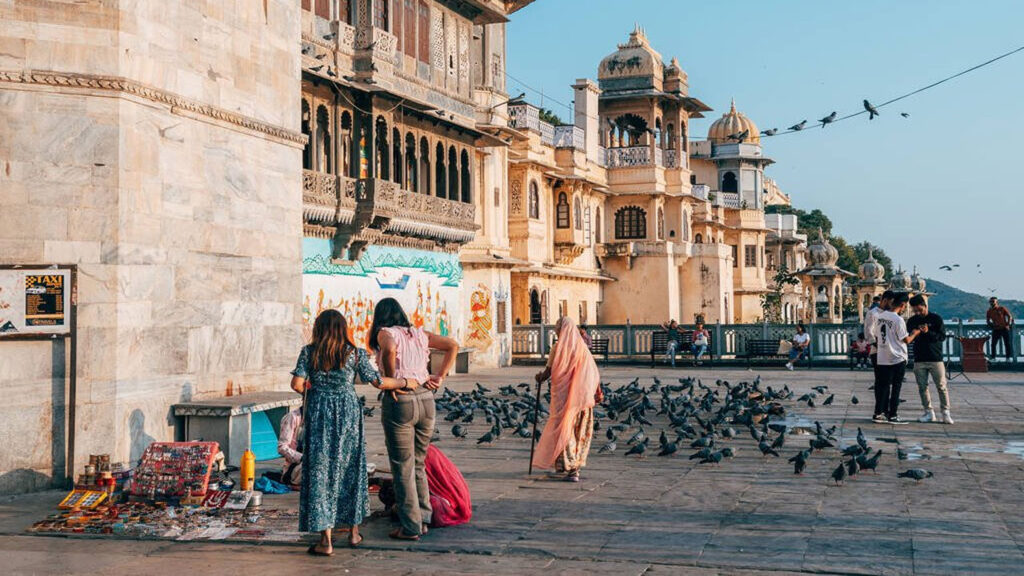
Unlike monuments that exist primarily for visitors, Gangaur Ghat remains an active community space. Throughout the day, locals arrive to pray, socialize, feed birds, sit quietly by the water or simply watch life unfold.
Spend an evening here and you will quickly understand why so many travelers return repeatedly during their stay.
Young students gather with friends. Elderly residents share conversations they have likely been having for decades. Musicians occasionally perform near the water. Children chase pigeons across the stone steps.
The atmosphere is neither rushed nor commercial.
It is simply Udaipur being itself.
One of my favorite local experiences is arriving shortly before sunset and staying until darkness settles over the lake. As the lights of City Palace gradually illuminate across the water, the city seems to slow down.
For a brief moment, everyone becomes part of the same scene.
The Walk From Gangaur Ghat to Chand Pole
Many tourists visit Gangaur Ghat and leave immediately.
Locals know better.
One of the most rewarding walks in the city begins here and continues toward Chand Pole. The route passes small temples, heritage buildings, traditional homes and quiet lakeside corners that rarely appear in travel brochures.
Along the way, you will encounter some of the city’s most charming cafes and viewpoints.
The walk is not famous because of a single attraction.
It is memorable because it captures the atmosphere of old Udaipur.
The conversations, architecture, birdsong, temple bells and reflections on the water combine to create an experience that feels uniquely local.
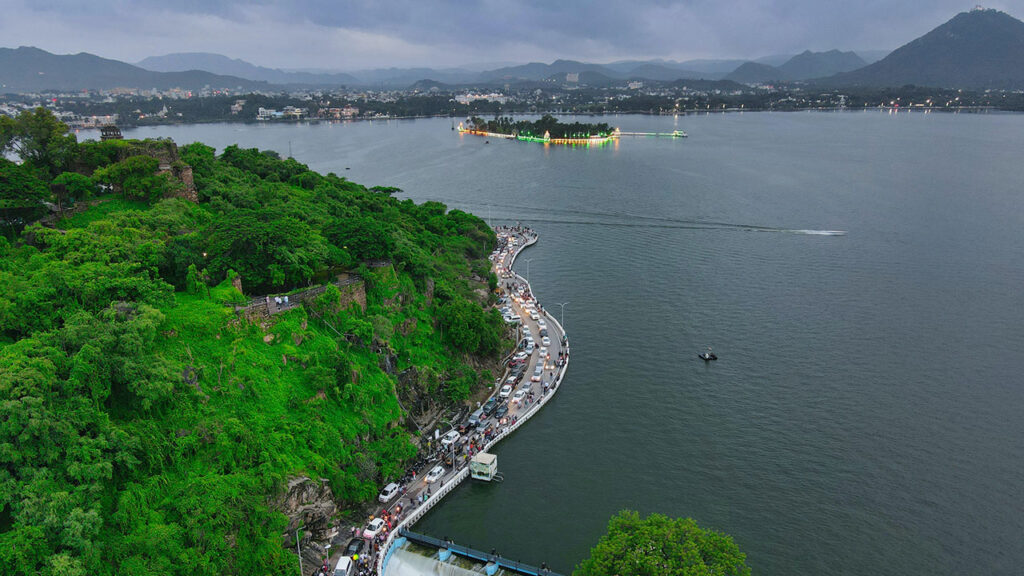
Fateh Sagar Lake: The Modern Soul of Udaipur
If Lake Pichola represents Udaipur’s royal past, Fateh Sagar Lake represents its present.
Ask locals where they go for an evening drive, a morning walk, a late-night tea or a casual outing with family and Fateh Sagar will almost certainly appear in the conversation.
The lake has become one of the city’s most beloved gathering places.
In contrast to the traditional ambiance surrounding Lake Pichola, there is more modernity associated with Fateh Sagar. Groups of students can be seen hanging out on the wide lane of the lakeshore. Cyclists cycle around the lake during the early morning hours. Boating is a favorite pastime of the families here. Food stalls offer local cuisine as an evening breeze blows over the lake.
What makes Fateh Sagar special is the way it brings together every generation of the city.
Teenagers taking selfies, elderly couples enjoying their evening walk, tourists admiring the scenery and locals escaping the day’s heat all share the same waterfront.
Udaipur Cultural Journey Through the City’s Sunset Rituals
In many destinations, sunset is simply a time of day.
In Udaipur, it feels more like a ritual.
Every evening, the city gradually moves toward its lakes. Some people gather along the shores of Fateh Sagar, while others head to Ambrai Ghat or the banks of Lake Pichola. Photographers climb rooftops, couples search for quiet viewpoints and families take evening strolls beside the water.
Visitors often ask locals about the best sunset spot in the city and many quietly recommend Fateh Sagar. As daylight fades, the lake transforms into a vast mirror reflecting the changing colors of the sky. The surrounding Aravalli Hills create a dramatic backdrop, while the cool evening breeze brings a welcome sense of calm.
There is no need for elaborate architecture or carefully designed viewpoints to make the moment special. Sometimes it is simply nature, water, fading light and an entire city quietly admiring them together.
As darkness settles and lights begin shimmering across the lakes, Udaipur reveals why it has inspired generations of artists, writers and travelers.
Some cities are beautiful.
Others are unforgettable.
Udaipur somehow manages to be both.
Temples, Faith and Everyday Devotion
Religion in Udaipur is not confined to temples.
It flows through everyday life.
You see it in the florists setting up their offerings at dawn. In the little shrines that are constructed in the walls of homes. In the sound of religious songs wafting from the old city. In the many rites that go on year after year without a break.
For travelers interested in culture, Udaipur’s temples offer something far more valuable than architecture alone.
They reveal how faith continues to shape the city’s identity.
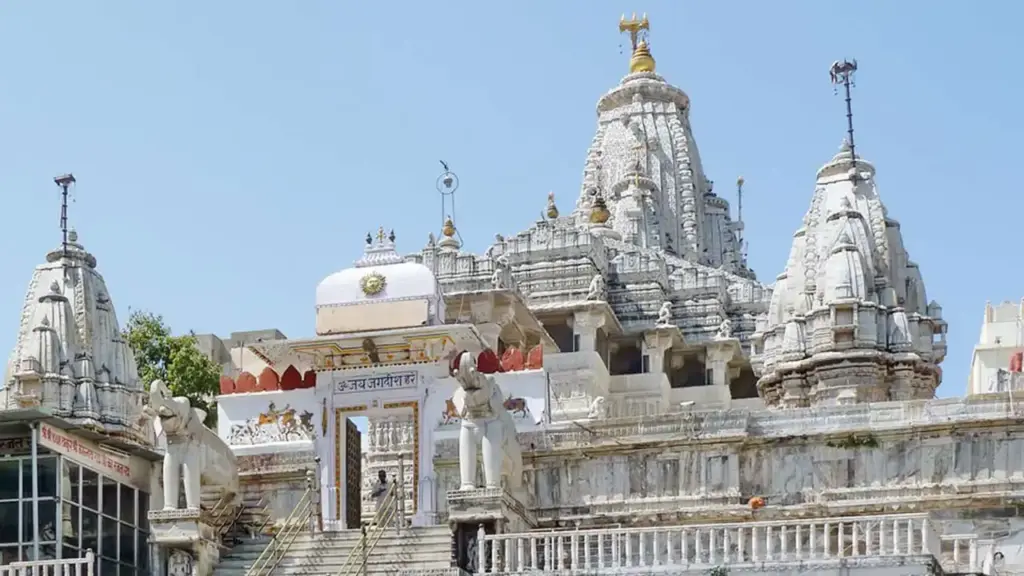
Jagdish Temple: The Spiritual Heart of the Old City
Standing just outside City Palace, Jagdish Temple has welcomed devotees since 1651.
Most visitors admire its impressive carvings, towering shikhara and architectural beauty. While these features certainly deserve attention, the temple’s greatest appeal lies in its atmosphere.
Arrive early in the morning and you will witness a side of Udaipur many tourists miss.
The steps are filled with worshippers carrying flowers and offerings. Priests prepare for the day’s ceremonies. Bells ring through the surrounding streets. Incense drifts into the air.
The experience engages every sense.
For a few moments, the busy city outside seems to disappear.
The temple reminds visitors that Udaipur’s heritage is not only royal and architectural-it is also deeply spiritual.
Neemach Mata Temple: A View Earned Through Effort
Located above the city on a hill overlooking Fateh Sagar Lake, Neemach Mata Temple offers one of Udaipur’s most rewarding experiences.
The journey itself becomes part of the attraction.
The uphill climb gradually reveals wider views of the city, the lakes and the surrounding Aravalli landscape. By the time visitors reach the temple, they are greeted with one of the most expansive panoramas in the region.
Locals often visit not only for religious reasons but also for the sense of peace the location provides.
At sunset, the view becomes unforgettable.
The lakes shimmer below while the city slowly begins to glow beneath the fading light.
Eklingji: Where the Story of Mewar Truly Begins
A cultural journey through Udaipur remains incomplete without visiting Eklingji.
Located in close proximity to the city, this temple complex has been one of the most significant religious sites of Mewar through the ages.
The people who ruled the Mewar state always felt themselves to be the earthly representatives of Lord Eklingji rather than being the kings of the state itself.
The intricately carved temples, sacred atmosphere and centuries of devotion create an experience that feels profoundly connected to the region’s history.
More than a temple, Eklingji represents the spiritual foundation upon which the legacy of Mewar was built.
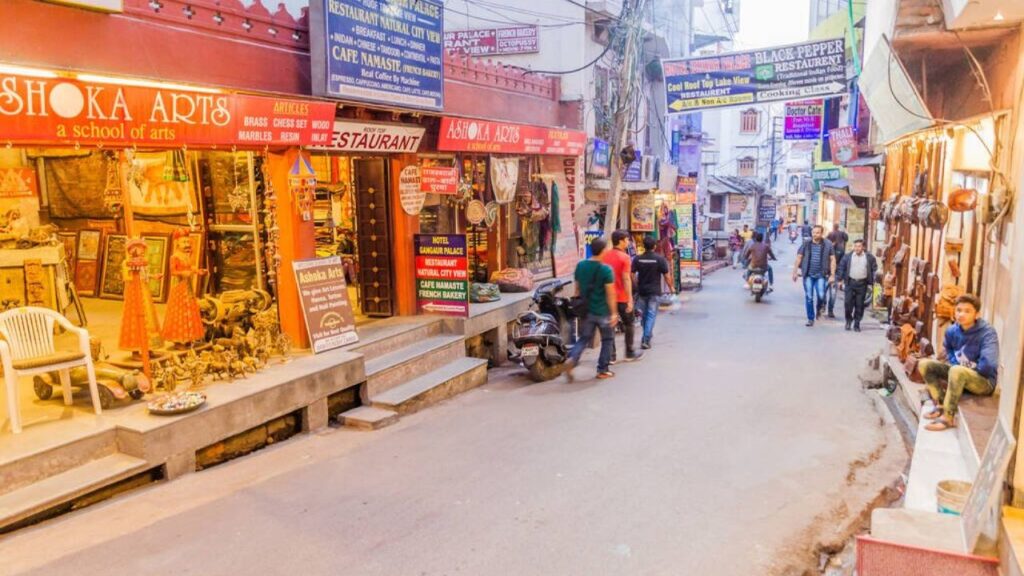
Markets Where Art Still Survives
In many historic cities, traditional crafts survive mainly as souvenirs.
In Udaipur, they remain part of daily life.
The city’s markets are not merely shopping destinations. They are cultural spaces where generations of artisans continue to practice skills inherited from their ancestors. Walk through these markets carefully and you will discover that some of the most fascinating stories of Udaipur are hidden behind shopfronts, workshop doors and crowded lanes.
Hathi Pol: The Artistic Heart of Udaipur
Among all the markets in the city, Hathi Pol holds a special place in Udaipur’s cultural identity.
At first glance, it appears to be a bustling marketplace filled with paintings, handicrafts, fabrics and souvenirs. Look closer, however and you will discover that many of these shops are actually extensions of family traditions that stretch back generations.
This is particularly true for Udaipur’s famous miniature paintings.
Unlike conventional paintings, miniature art demands extraordinary patience. Artists spend hours, sometimes days, working on details so fine that they are difficult to appreciate without close inspection.
There are still some traditional painters who rely on skills and techniques that have been used by artists for centuries. Natural colors can be made using minerals, stones, vegetables, and metals. Special brushes are handmade for making fine details.
You begin to understand that these paintings are not simply decorative pieces. They are visual records of Rajasthan’s history, mythology, royal traditions and cultural imagination.
Local Insight
Many visitors buy miniature paintings without ever speaking to the artists. If you have time, visit one of the working studios around Hathi Pol. Most artists are happy to explain their techniques and the conversation often becomes one of the most memorable cultural experiences in Udaipur.
Bada Bazaar: Where Everyday Life Meets Heritage
If Hathi Pol represents artistic tradition, Bada Bazaar represents the everyday pulse of the city.
For generations, residents have come here to shop, socialize, negotiate and conduct business. Narrow streets overflow with activity. Vendors display colorful fabrics outside their shops.
Jewelers arrange silver ornaments in glass cases. Spice merchants fill the air with fragrances that drift through the surrounding lanes.
Unlike curated tourist markets, Bada Bazaar still functions primarily for residents.
Families who have operated businesses for decades greet returning customers by name. Artisans continue to work in workshops hidden behind storefronts.
In an age of shopping malls and online retail, Bada Bazaar offers something increasingly rare – a marketplace with a genuine sense of place.
Jewelry, Textiles and the Legacy of Craftsmanship
The story of Udaipur’s culture cannot be told without acknowledging its artisans.
The city has long been known for silver jewelry, embroidered textiles, leather products, marble crafts, woodwork and gemstone artistry. Many of these traditions developed under royal patronage and continue to survive through family-run businesses.
Some workshops employ techniques that have changed very little over centuries.
A jeweler shaping silver ornaments today may be using methods learned from his father and grandfather. A textile artisan may still rely on traditional embroidery patterns associated with Rajasthan’s rural communities. A craftsman carving marble may be preserving skills passed down through generations of temple builders.
These artisans are not simply producing products.
They are preserving cultural memory.
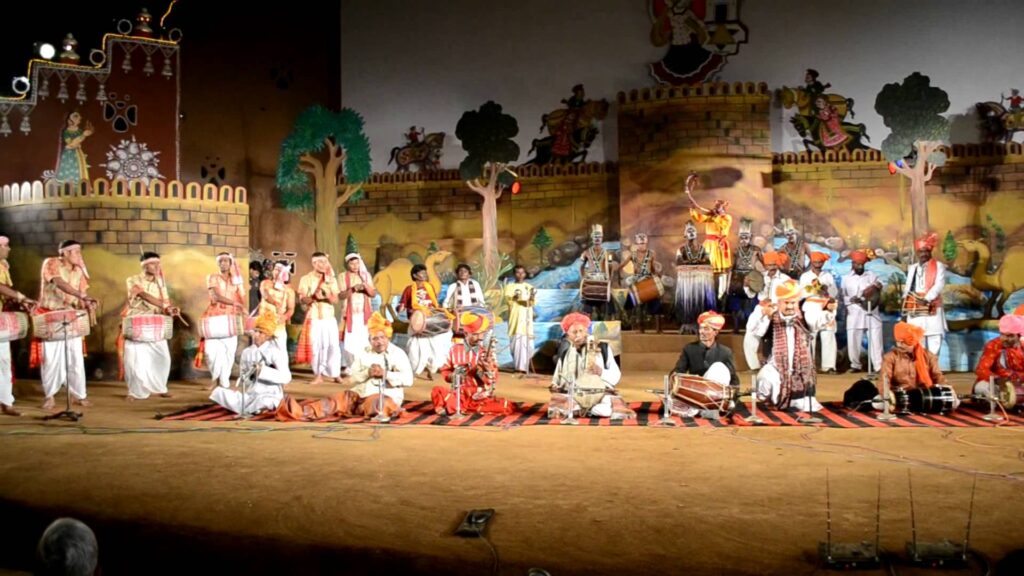
Shilpgram: A Window Into Rural Rajasthan
While Udaipur’s palaces reveal the world of kings and nobles, Shilpgram tells the story of ordinary people.
Located on the outskirts of the city, this rural arts and crafts complex offers one of the most immersive cultural experiences in the region. Yet describing Shilpgram as a museum would be misleading.
It feels more like a living village.
Traditional homes from Rajasthan, Gujarat, Maharashtra and Goa have been recreated to showcase regional architecture and lifestyles. Artisans demonstrate their crafts in real time. Folk musicians perform traditional compositions. Potters, weavers, woodworkers and metal artisans continue practices that have survived for centuries.
Visitors do not merely observe culture from a distance.
They engage with it.
Conversations with artisans often reveal fascinating insights into their communities, techniques and daily lives. These interactions help bridge the gap between modern urban tourism and rural cultural heritage.
Temples, Folk Music and the Soundtrack of Udaipur
Every city has a soundtrack.
In Udaipur, it changes throughout the day.
At sunrise, temple bells dominate the soundscape. By mid-morning, markets contribute their own rhythm of conversations, bargaining and activity. During the evening, folk music often emerges from cultural venues, heritage properties and festival grounds.
Music has always played an important role in the cultural identity of Mewar.
The cultural performances at Bagore Ki Haveli offer one of the most accessible introductions to Rajasthan’s folk heritage. Dancers perform traditional forms that originated in rural communities, while musicians play instruments whose histories stretch back centuries.
The performances are entertaining but they also serve an important purpose.
They help preserve traditions that might otherwise fade in an increasingly modern world.
Festivals That Transform Udaipur
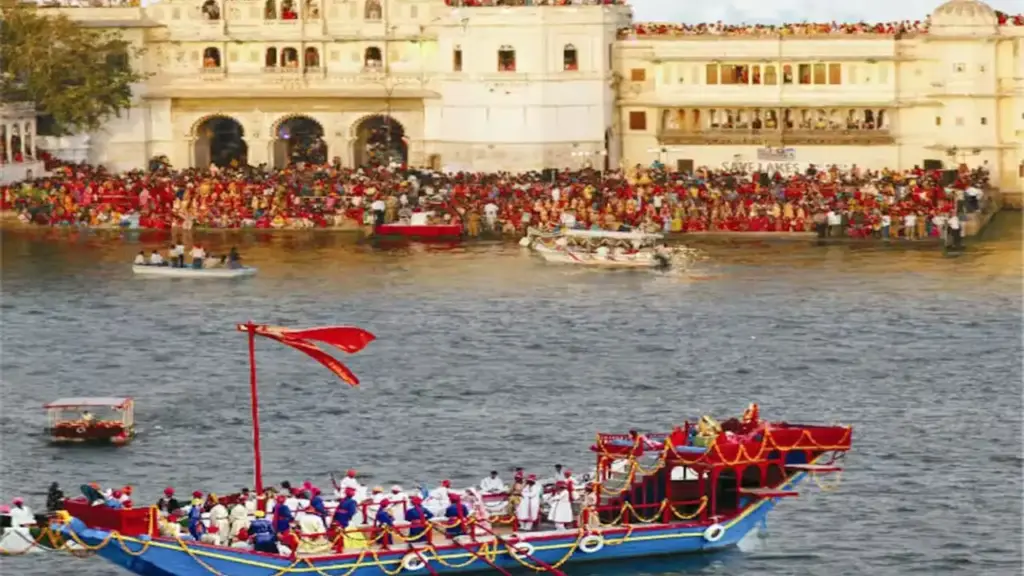
If you truly want to understand the cultural spirit of Udaipur, plan your visit around a festival.
The city may appear elegant and peaceful throughout most of the year but during festival season it reveals an entirely different personality.
Streets become more vibrant, temples become more animated, lakeside ghats fill with celebrations and traditions that have been preserved for centuries take center stage.
For locals, these festivals are not performances staged for visitors. They are deeply rooted expressions of faith, identity and community.
Shilpgram Festival: The Festival That Brings Rajasthan Together
If possible, plan your visit around the annual Shilpgram Festival.
For several days, the venue transforms into one of India’s most vibrant celebrations of folk culture. Artisans arrive from different states. Musicians perform throughout the day. Traditional dance groups fill the grounds with energy and color.
The Shilpgram Festival offers a rare opportunity to witness the incredible diversity of Indian folk traditions in a single location.
For many visitors, it becomes one of the highlights of their entire Rajasthan journey.
Mewar Festival: Celebrating the Arrival of Spring
Among Udaipur’s most important cultural celebrations, the Mewar Festival holds a special place.
This festival is also celebrated at the same time as the Gangaur festival and celebrates the arrival of spring as well as Goddess Gauri, who is revered as the deity of marriage bliss and prosperity.
The women are dressed in their colorful traditional attire and take part in grand processions carrying beautifully decorated Gauri idols through the streets of the old city.
As evening approaches, processions move toward Lake Pichola, accompanied by music, traditional songs and devotional rituals. Reflections of lamps dance across the water while the illuminated City Palace provides a magnificent backdrop.
For photographers, cultural enthusiasts and first-time visitors, the festival offers a glimpse into traditions that have remained remarkably unchanged despite the passage of time.
Diwali in the City of Lakes
It makes Udaipur a place of wonder.
Hundreds of lights decorate the temples, houses, markets and palaces. There are reflections on Lake Pichola and Fateh Sagar. The decorative lanterns hang on top of the narrow streets.
The illuminated City Palace becomes one of the most spectacular sights in Rajasthan.
Local Insight
Festival dates vary each year according to the Hindu calendar. If your travel dates are flexible, checking the festival calendar before planning your trip can significantly enhance your cultural experience.
Hidden Cultural Experiences Most Tourists Miss
One of the best experiences in Udaipur may not be found in any tour guide’s itinerary.
These are not monumental landmarks or tourist spots. These are small instances that bring out the flavor of the city in different aspects.
Spend an Evening Without an Agenda
Many travelers rush from one attraction to another.
Try doing the opposite.
Choose a lakeside ghat, find a quiet spot and simply observe. Watch local families interact, children feed birds, priests conduct evening rituals and residents enjoy conversations beside the water.
These ordinary scenes often provide greater cultural insight than any museum exhibit.
Explore the City Before Breakfast
The difference between Udaipur at 7 AM and Udaipur at 11 AM is remarkable.
Before the crowds arrive, the city feels more intimate and authentic. Temple rituals are underway, shopkeepers are preparing for the day and the lakes remain calm and reflective.
The old city is particularly rewarding during these hours.
Visit the Ahar Cenotaphs
Despite being one of the most historically significant sites in the region, the Ahar Cenotaphs remain surprisingly overlooked.
This remarkable complex contains the memorials of numerous rulers of Mewar. Intricate carvings, elegant domes and peaceful surroundings create an atmosphere that feels both reflective and timeless.
Unlike some of the city’s more crowded attractions, visitors can often explore the site in relative solitude.
Discover the Sahastra-Bahu Temples at Nagda
Located a short distance from Udaipur, the Sahastra-Bahu Temples represent one of the finest examples of medieval temple architecture in Rajasthan.
The carvings are extraordinary, revealing the artistic sophistication of artisans who worked nearly a thousand years ago.
Many visitors focus solely on Udaipur’s city attractions and miss this remarkable historical treasure.
Watch the City From Moti Magri
While most tourists know Moti Magri for the statue of Maharana Pratap, locals often visit for the views.
The elevated location provides a different perspective of Udaipur’s lakes, hills and urban landscape. The site also offers valuable historical context about one of Mewar’s most celebrated rulers.
The Flavors of Udaipur’s Cultural Heritage

Culture is not only seen and heard.
It is also tasted.
Udaipur’s culinary traditions reflect centuries of history, geography and royal influence. The cuisine of Mewar developed in response to local conditions while incorporating flavors from neighboring regions and royal kitchens.
Dishes like Dal Baati Churma, Gatte Ki Sabzi, Ker Sangri and Laal Maas illustrate the creativity of the Rajasthani cuisine tradition. Foods were chosen taking into consideration the harsh environment and yet giving enough flavor and satisfaction.
Chaai in the morning at a tea stall. Kachoris are fresh from the nearby shops. Sweets cooked according to traditional recipes. Conversations on the streets around the snack that everyone shares.
These simple experiences often create some of the strongest travel memories.
Planning Your Cultural Journey Through Udaipur
While Udaipur can certainly be enjoyed in a single day, the city’s cultural richness rewards travelers who allow themselves more time.
A minimum of two to three days provides enough opportunity to explore major heritage attractions, experience local culture and enjoy the lakes at different times of day.
Those with four or five days can delve much deeper into the region’s artistic traditions, nearby heritage sites, temples and rural cultural experiences.
Suggested Cultural Itinerary
Day One
Focus on the old city, City Palace, Jagdish Temple, Gangaur Ghat, Bagore Ki Haveli and a sunset experience at Lake Pichola.
Day Two
Explore Fateh Sagar Lake, Saheliyon Ki Bari, Moti Magri, Shilpgram and Sajjangarh Palace.
Day Three
Visit Eklingji, Nagda, Ahar Cenotaphs, local markets, artisan workshops and hidden heritage locations.
This approach allows travelers to experience both the famous landmarks and the lesser-known cultural dimensions of Udaipur.
Make the Most of Your Journey
The most rewarding experiences in Udaipur rarely happen according to a strict schedule.
Some occur during an unplanned conversation with an artisan. Others emerge while watching sunset from a quiet ghat or listening to folk music in a heritage courtyard.
Exploring the city with knowledgeable local guidance can often reveal places and stories that remain invisible to most visitors.
Experienced local drivers and cultural guides understand not only where to go but also when to go, helping travelers discover hidden viewpoints, authentic markets, traditional eateries and lesser-known heritage sites.
The goal is not to see more places.
It is to understand them more deeply.
Choose from sedan, SUV and tempo traveller options at competitive prices.
Affordable Taxi Service in Udaipur
Final Thoughts
Years after visiting Udaipur, travelers rarely remember only the monuments.
What stays with them are the moments in between.
The ringing of bells in the old temples. The reflection of lights from the palaces on calm waters. The artist creates an image that represents a period in the past of Mewar. The older man giving food to birds in Gangaur Ghat. The folk singer singing in the courtyard of a haveli.
These experiences reveal something important about Udaipur.
Its culture is not preserved behind museum glass.
It lives in its lakes, markets, temples, festivals, crafts and people.
That is why a journey through Udaipur feels different from a typical sightseeing trip. You do not simply visit the city. You gradually become part of its rhythm.
And long after you leave, a small part of that rhythm stays with you!
Visitors Also Ask
What is the best time for a cultural journey in Udaipur?
The ideal time to visit is from October to March when the weather remains pleasant for sightseeing, heritage walks, cultural exploration and outdoor activities.
How many days are enough to experience Udaipur’s culture?
Three days is ideal for exploring major attractions, local markets, cultural performances, temples and nearby heritage sites at a comfortable pace.
Which cultural experience should not be missed in Udaipur?
The Dharohar Folk Dance Show at Bagore Ki Haveli remains one of the most immersive introductions to Rajasthan’s traditional performing arts.
Is Shilpgram worth visiting?
Absolutely. It offers one of the best opportunities to experience rural arts, crafts, folk traditions and artisan communities in a single location.
What are the best places to watch the sunset in Udaipur?
Ambrai Ghat, Fateh Sagar Lake, Lake Pichola, Sajjangarh Palace and Karni Mata Hill are among the most popular sunset viewpoints.
Which market is best for traditional handicrafts?
Hathi Pol is particularly famous for miniature paintings, handicrafts, textiles and traditional artwork.
Are there cultural attractions near Udaipur?
Yes. Eklingji Temple, Nagda’s Sahastra-Bahu Temples and Ahar Cenotaphs are excellent cultural and historical sites located near the city.
Is Udaipur suitable for cultural travelers?
Udaipur is one of India’s most rewarding destinations for cultural tourism, offering a unique blend of heritage, art, architecture, traditions, festivals and living history.