
The presence of a salt lake along the border of the desert, a fort built through centuries of conflict and a town that is a combination of the culture of saints and the legends of kings make Nagaur an enigmatic destination, very different from many others in Rajasthan. The district is located in the north-western part of Marwar where the desert is surrounded by thorny bush vegetation and where the ancient trade routes of west India used to run through. It takes a closer inspection to realize what there is hidden behind: the inscriptions in stone of a calm cenotaph, the colored stained glass windows of a Jain temple, Sufi rituals in an ancient dargah and life in local communities around crowded markets.
Table of Contents
ToggleTop Destinations to Visit in Nagaur
Nagaur Fort
This fort, known as Ahhichatragarh, has been called the “soul of architecture in Nagaur.” Its name translates to “fort of the hooded cobra,” and it spreads over an area of 36 acres. It is believed that the fort was initially built by the Nag dynasty and rebuilt at the beginning of the twelfth century. Later on, it became one of the most prominent forts for the Mughal rulers. Over time, it was reconstructed multiple times after many battles, renovations and periods of abandonment. Today, the renovated areas consist of gardens, fountains, palaces, wall paintings and other structures that show the fusion of Rajput and Mughal architecture. You can visit the fort from 9 AM to 1 PM and 2 PM to 5 PM daily, with an entry fee of ₹15 for Indians and ₹50 for foreigners.
Deepak Mahal
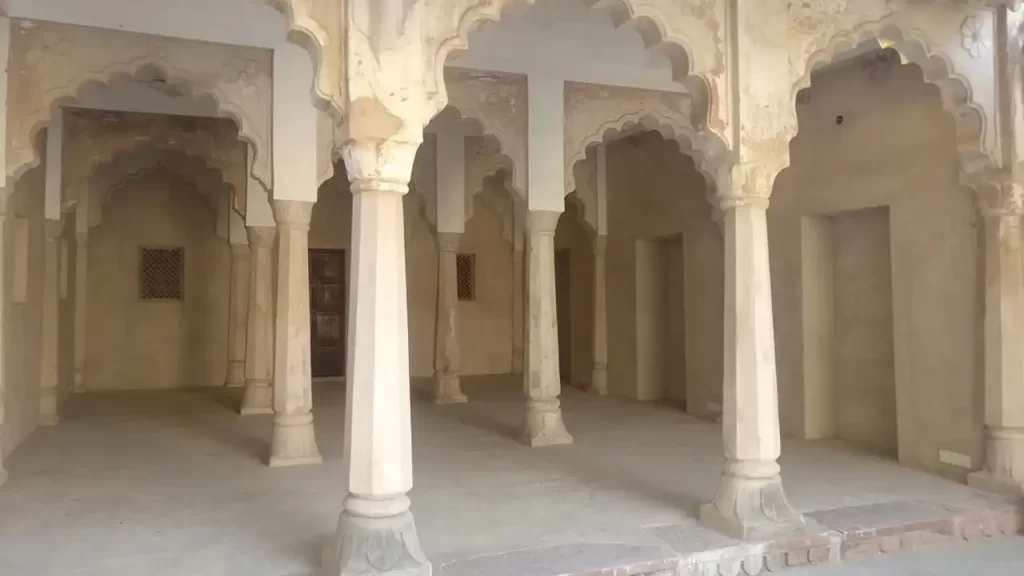
Within Nagaur Fort, Deepak Mahal provides visitors with a chance to experience royal architecture in a more personal way. The walls of this building are decorated with elaborate carvings and flower designs; meanwhile, the palace areas with balconies provide visitors with an idea of the ceremonial aspects of this palace complex. In the reference material, this palace is related to Diwan-i-Khas as well as its historical importance as a part of the fort built in the Mughal era.
Akbari Mahal
Akbari Mahal is another building that contributes yet another page to the architecture of Nagaur. Akbari Mahal was constructed by the Mughals in 1556, following their reconquest of Nagaur from Ajmer, with the structure being described as a combination of both Mughal and Rajput architectural styles. As for its interior, which is decorated with mirror work and coloured glass, locals have come up with the name Sheesh Mahal for it. Akbari Mahal is situated within the walls of Nagaur Fort.
Need a Taxi in Udaipur?
Get reliable cab service with professional drivers and transparent pricing.
Tarkeen Dargah
The Tarkeen Dargah is a place where you get the spiritual experience along with your fort experience. This shrine belongs to Khwaja Hamiduddin Nagauri, who was a dedicated disciple of Khwaja Moinuddin Chishti. The reference suggests that it is a very important pilgrimage spot for Muslims after the Ajmer Dargah. It has a more relaxed environment compared to the grandeur of the fort. There is a greater buzz around this place during the annual Urs celebration due to the presence of devotees and culture.
Cenotaph of Amar Singh
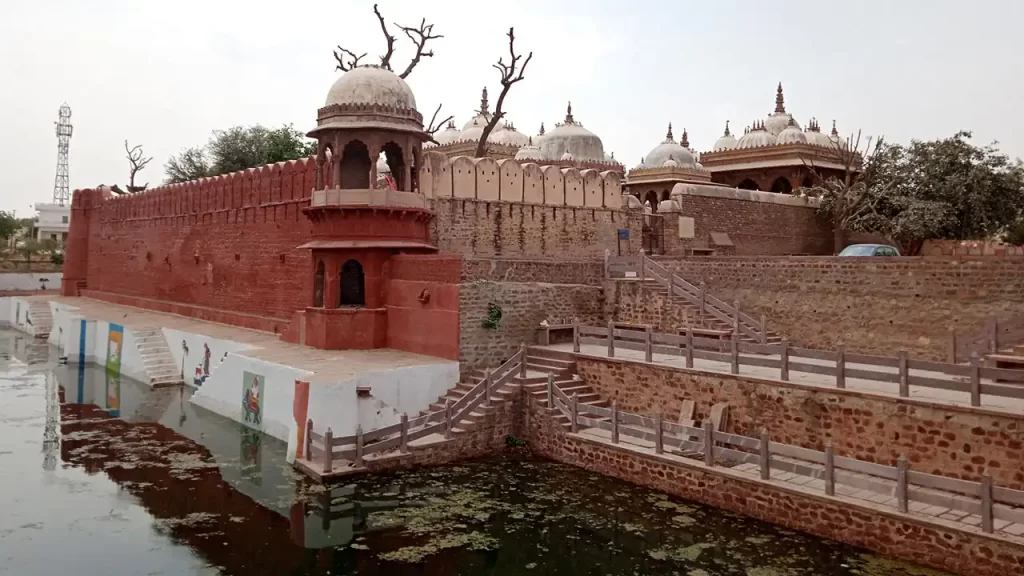
The cenotaph, which is erected in memory of Amar Singh Rathore, depicts another aspect of the memory of the Rajputs. Floral patterns are visible on the pillars of this cenotaph and its construction style shows a resemblance to the architectural styles used to construct the cenotaphs. Amar Singh is famous for his bravery and courage and his cenotaph signifies the same memory. The relatively tranquil atmosphere around this cenotaph makes it ideal for tourists to relax.
Jain Glass Temple
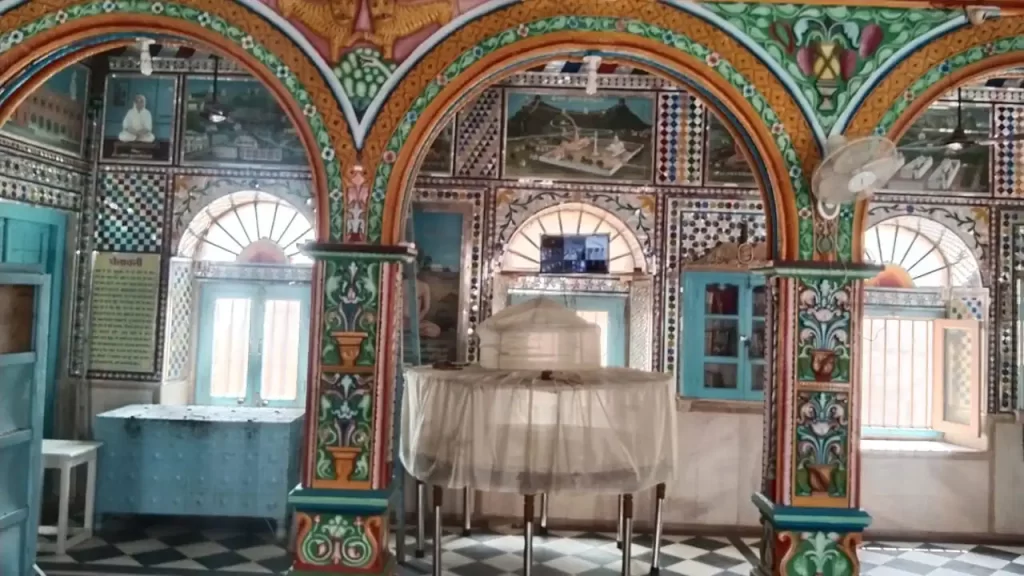
The Jain Glass Temple represents a completely different approach in terms of the language of images. While using only carved stone before, this temple employs multicoloured glass and decorations to produce a kaleidoscope effect. It is devoted to Lord Mahavira and one can find connections between the art of this temple and Jainism philosophy and scriptures. Marble elements ornamented arches and carefully combined glass attract attention. This temple is much more than just a colourful site for taking pictures. It gives an insight into the art of Jain religious culture.
The Places that Lie Out of the Way of the Famous Monuments
There is more to explore in Nagaur than the famous fort itself. The Pashupati Nath Temple in the village of Manjhwas is a temple for Lord Shiva which was built in 1982. Jhorda can offer yet another experience that is both rural and religious in nature. Jhorda is known for the poet Kandan Kalpit and Saint Baba Hariram and is also host to an annual festival. There is also a museum element at the Bade Peer Saheb Dargah with artefacts like coins and a Quran that has been written using gold ink.
Ladnun can offer you an even closer insight into the Jain culture of the region. The temples here have a long history behind them and the town itself is noted as being the spiritual centre of ahimsa or compassion. The presence of the Jain Vishva Bharati University further adds to the spiritual aspect of this place. If you are interested in finding out how religion influences the identity of the small towns of Rajasthan, you should consider visiting Ladnun as part of your Nagaur trip.
Kuchaman and the Larger Region
Kuchaman is an ideal site for those who like forts and views. Kuchaman Fort stands high on a rock and the reference tells that it has an interesting water harvesting system, old palaces and paintings on the walls. This fort had been linked to the process of manufacturing gold and silver coins by the rulers of Jodhpur. From the vantage point of the fort, one can see the town below with the salt deserts and old temples, step wells and havelis. The fort has also been used as a location for films made in Bollywood.
Khimsar provides a different environment at the eastern edge of the Thar Desert. According to the reference material, Khimsar Fort is a centuries-old fort that has been converted to a heritage hotel and there are black deer in the vicinity. Khimsar is a desert site which provides an opportunity for blending architecture with the desert landscape. The reference also gives the distance of Khimsar Sand Dunes as 80 km from Nagaur and says that sunrise and sunset provide an atmosphere for viewing the dunes.
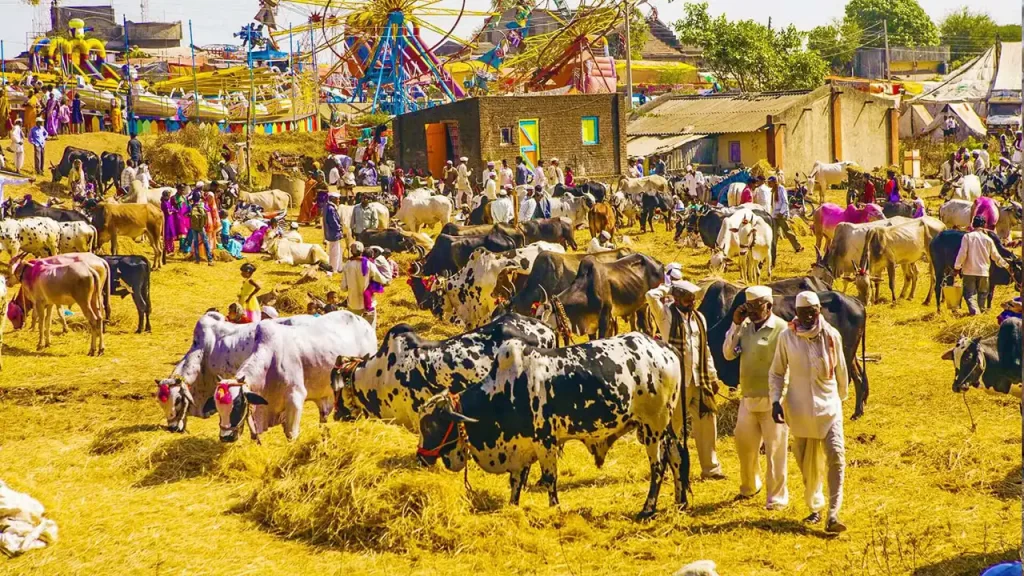
Experiences that Unveil Nagaur
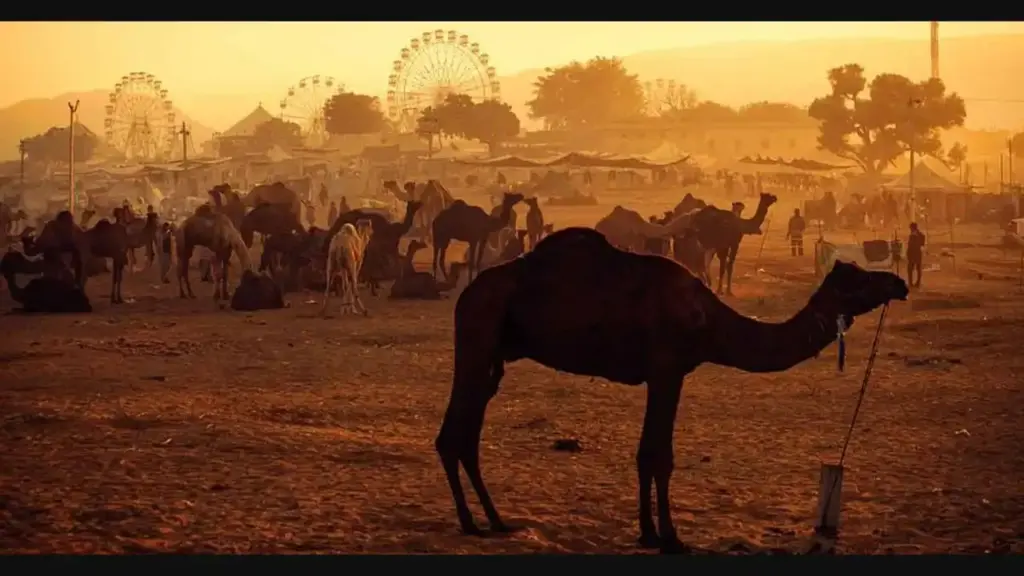
Nagaur Cattle Fair can be one of the best ways to get an insight into the rural nature of this district. It is an annual event among the festivals of Rajasthan organised during the winter months, which includes trading of cattle and folk performances. What distinguishes this fair from a visit to any museum is the fact that it emerges from the living agricultural practices. Colours, movements and animal sounds combine to give a picture that feels quite local. While photography can be enjoyable, good behaviour will always have more value than any good shot.
Markets of Nagaur offer yet another daily experience. Sadar Bazaar is known for its craftsmanship, textiles, jewellery, leather works and pottery. One does not have to go there with a list of desired souvenirs but observe how shopkeepers and customers communicate. Small items such as embroidered textiles and handmade products will speak about the destination much better than anything else.
The religious festivals celebrated in the city further contribute to adding yet another dimension. Urs festival at Tarkeen Dargah adds a devotional air to the place, whereas Teej is one of the festivals that take place in the area. Merta is home to the Meera Bai light and sound show, where the story of the saint poetess is enacted through a light and sound show. The show links the story with her childhood devotion to Krishna, her marriage to Bhojraj of Chittorgarh and her subsequent renunciation of worldly comforts.
Nagaur Food and Flavours
The food in Nagaur exhibits the strong taste of Rajasthani cuisine along with its pragmatic approach to the arid region. Dal Bati Churma serves as an important start; it includes lentils, baked wheat balls and a sweet churma which is made from ghee and jaggery. Ker Sangri is indicative of the desert produce, while Lal Maas offers something more spicy and flavorful. Mirchi Ka Bharta brings a smoky taste to the food plate.
The bazaars serve as good destinations to discover the casual food of the city. One may encounter such snacks as Pyaaz Ki Kachori, Mirchi Bada, Samosas and Chaats in the food streets. Mawa Kachori and Malpua are some of the options for a sweet end to the meal. Kulhad Lassi is always served in an earthen vessel and thus becomes a cool drink after exploring the old city.

Most Suitable Time for Visiting Nagaur
October to March are the most suitable months to visit. It becomes comfortable to walk around the fort, shop at the local markets and explore when it’s cool, while the cattle fair during winter gives more cultural flavour to the destination.
One Day in Nagaur
Well-planned days would start at the fort when the temperatures are still bearable. It is important to spend sufficient time at the Ahichatragarh Fort in order to enjoy all the palaces that can be found here, instead of just using it as another place to take pictures. After that, proceed to the Tarkeen Dargah and let the transition from one architectural style to another affect the experience. Have lunch and then go to visit the Jain Glass Temple and Amar Singh’s cenotaphs and spend the rest of the day in the marketplaces.
A Two-day Excursion
Two days will help make Nagaur something more than a visit to the city. Day one can be about the fort, the palaces, the dargah, the cenotaph and the marketplaces. Day two can be a journey to either Merta to look at the Meera Bai link or Kuchaman with its magnificent fort and views from the town. If desert landscapes interest you, then Khimsar can be another option to consider.
Tourist Planning
Nagaur is accessible via road and rail links to the main cities of Rajasthan. According to the source, the railway station lies on the Jodhpur-Bikaner line, which gives access to Jaipur, Jodhpur, Bikaner and Ajmer. Road links allow travel between the city and some other major places in Rajasthan and there are bus services for the nearby towns. The closest airport to the city is Jodhpur Airport, which is around 220 kilometres away.
Within the city, one can hire an auto-rickshaw and also a rickshaw for travel; taxis are also available for hire. One can choose between heritage stays and budget hotels. Ranvas Nagaur is stated in the source as a heritage hotel located inside the fort and Hotel R.K. Residency is a budget hotel in the city.
Trusted by Travelers Visiting Udaipur
Thousands of tourists rely on our comfortable and punctual cab services.
Plan Your Nagaur Tour with VNV Tours
Want to plan an easy trip to Nagaur, filled with the history and heritage of this destination?
VNV Tours provides efficient taxi service in Udaipur that serves in Nagaur, along with sightseeing trips in the area, airport transfers and customised tours to the entire state of Rajasthan as per your travel needs.
Be it the majestic forts, palaces, temples, markets or other places of interest that you wish to visit, we have experienced local guides who will take care of all of this for you. Experience the royal past and heritage of Nagaur through VNV Tours.
Conclusion
The essence of Nagaur is not captured dramatically. It is captured in the manner in which it slowly reveals itself in the form of fort walls, the hushed atmosphere around the shrines, the glasswork and the marketplace, the desert skyline and all the tales associated with the people who inhabited this city long back in time. Nagaur could start off as an intermediary stopover in one’s trip across other important cities of Rajasthan, but it has enough substance to be an end destination on its own.
People Often Ask
What is Nagaur famous for?
Nagaur is popular for its historical fort, religious places, royal legacy, rural life and cattle fair. Its position in the Marwar area also helps visitors explore other heritages and desert landscapes around the region.
When should you visit Nagaur?
The period from October to March is considered to be the most favourable. The climatic conditions in winter are more conducive to outdoor sightseeing.
How long should one stay in Nagaur?
One day will suffice to see all of the major attractions in case of a leisurely tour of the city. However, two days give some extra time for a slower tour and an excursion to Merta, Kuchaman or Khimsar.
Which foods should I try in Nagaur?
Dal bati churma, ker sangri, laal maas, pyaaz ki kachori, mirchi bada, mawa kachori and malpua are some of the foods referred to.
Is Nagaur good for history lovers?
Certainly, historical landmarks such as the fort, palaces, cenotaphs, dargahs, as well as heritage towns near the city make up the history of the place.
What should I purchase in Nagaur?
Embroidered textiles, leather products, earthenware, jewellery and other handicrafts are highlighted as items of purchase from the local markets.
How do I travel in Nagaur?
Rickshaws and auto-rickshaws are common means of local transport in Nagaur and taxis can be hired for long distances and excursions.