

Most travelers visit Rajasthan for its forts, palaces and desert landscapes. Hanumangarh offers something entirely different.
Located in the northern part of Rajasthan near the Punjab border, Hanumangarh is one of the few destinations in India where visitors can trace history back nearly 5,000 years. Ancient Harappan settlements, medieval forts, riverside temples, fertile agricultural landscapes and vibrant religious traditions come together to create a destination that feels very different from the Rajasthan most travelers know.
Unlike heavily commercialized tourist cities, Hanumangarh remains authentic and relatively undiscovered. Conversations with local residents, visits to centuries-old temples and walks through archaeological sites often become as memorable as the attractions themselves.
For travelers interested in history, archaeology, spirituality and rural Rajasthan, Hanumangarh offers a rewarding experience that goes far beyond conventional sightseeing.
Table of Contents
ToggleWhy Visit Hanumangarh?
Hanumangarh is one of Rajasthan’s most underrated destinations.
The district allows visitors to explore multiple layers of Indian history within a relatively small area. A morning can begin at an archaeological site linked to the Indus Valley Civilisation, continue through a medieval fort that witnessed centuries of conflict and trade and end at a temple where local traditions continue much as they have for generations.
The landscape itself is unique. While much of Rajasthan is associated with arid deserts, Hanumangarh surprises visitors with green agricultural fields, canal-irrigated farmland and the historic Ghaggar River. The influence of Rajasthan, Punjab and Haryana is visible in local food, festivals, language and daily life.
History enthusiasts, spiritual travelers, photographers and families can all find something meaningful here.
Best Places to Visit in Hanumangarh
Bhatner Fort
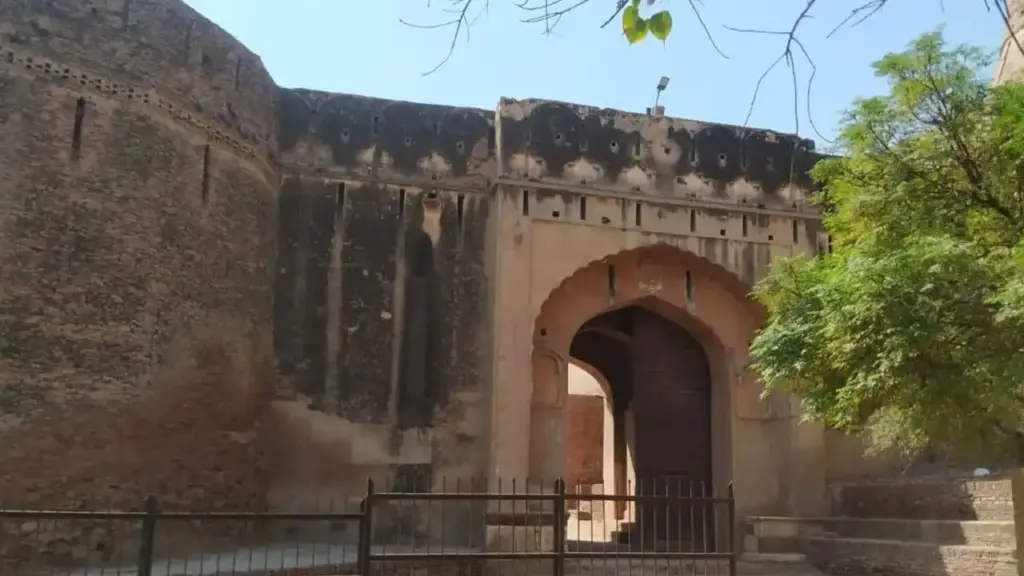
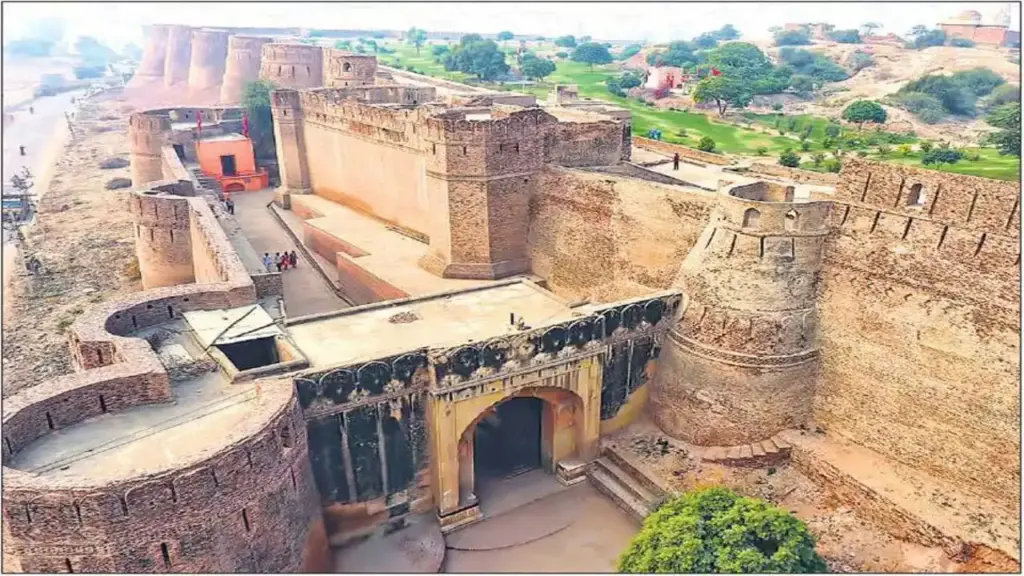
Standing proudly on the banks of the Ghaggar River, Bhatner Fort is one of the oldest surviving forts in India and the most important historical landmark in Hanumangarh.
The fort’s massive walls have witnessed centuries of political change, military campaigns and trade activity. Walking through its gates today offers visitors a glimpse into Rajasthan’s medieval past. Ancient temples, courtyards, defensive structures and elevated viewpoints continue to preserve the character of a fort that once protected an important frontier region.
Unlike Rajasthan’s more crowded forts, Bhatner Fort offers a peaceful atmosphere where visitors can explore at their own pace. Early morning and late afternoon provide the best conditions for sightseeing and photography.
Kalibangan and Kalibangan Museum
If there is one attraction that truly sets Hanumangarh apart from other destinations in Rajasthan, it is Kalibangan.
Long before Rajasthan’s famous forts and palaces existed, this region was home to one of the world’s earliest urban civilizations. Excavations at Kalibangan revealed evidence of planned streets, residential structures, fire altars, pottery workshops, agricultural systems and sophisticated urban planning dating back to the Harappan period.
The nearby Kalibangan Museum helps visitors understand the significance of these discoveries. Its galleries display seals, pottery, terracotta figurines, jewellery, tools and everyday objects that provide remarkable insight into life more than 4,500 years ago.
For history lovers, archaeologists, students and curious travelers, Kalibangan is easily one of Rajasthan’s most fascinating destinations.
Bhadrakali Mata Temple
One of the district’s most important pilgrimage sites, Bhadrakali Mata Temple attracts devotees from across Rajasthan and neighboring states throughout the year.
Dedicated to Goddess Bhadrakali, the temple becomes particularly vibrant during Navratri when thousands of worshippers gather to seek blessings and participate in religious celebrations.
Even outside festival periods, the temple offers a peaceful environment where visitors can experience local faith, traditional rituals and the spiritual atmosphere that continues to shape life in the region.
Shri Gogaji Temple (Gogamedi)
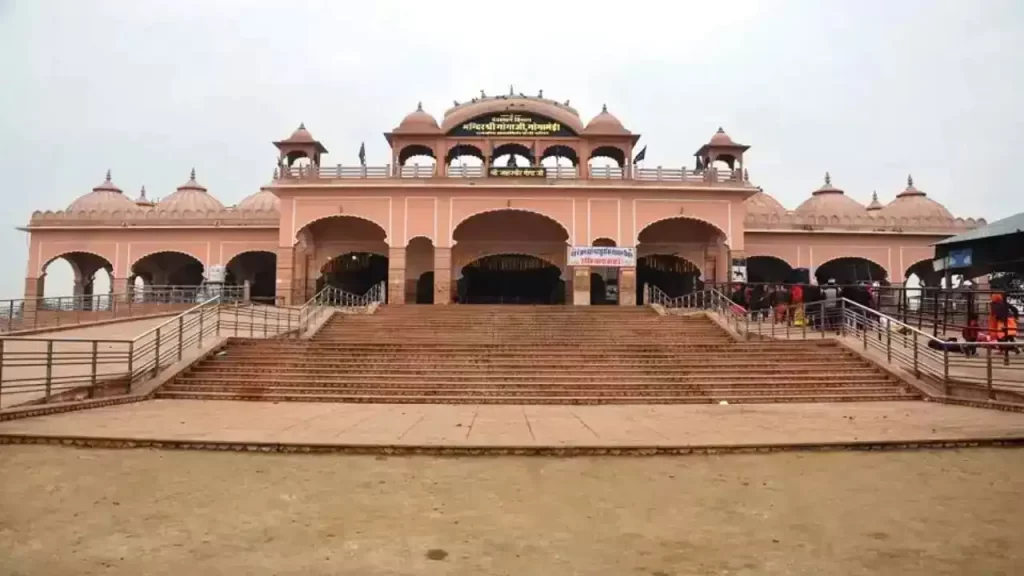
Among the most important religious destinations in northern Rajasthan, Gogamedi is dedicated to Shri Gogaji, the legendary warrior-saint revered across Rajasthan, Punjab, Haryana and Gujarat.
The shrine is notable not only for its religious significance but also for its architecture, which reflects both Hindu and Islamic influences. This unique blend symbolizes centuries of shared traditions and cultural harmony.
Visitors fortunate enough to arrive during the Gogamedi Fair can witness colorful processions, devotional music, folk performances and one of the region’s most important cultural gatherings.
Shila Mata Temple
Located along the banks of the Ghaggar River, Shila Mata Temple offers a different experience from the district’s larger pilgrimage centres.
The temple’s riverside setting creates a peaceful atmosphere that attracts both devotees and travelers seeking a quiet place to relax. The combination of temple bells, flowing breezes and open views of the riverbank makes sunrise and sunset particularly memorable times to visit.
For visitors interested in combining spirituality with natural beauty, Shila Mata Temple remains one of Hanumangarh’s most pleasant attractions.

Hidden Gems of Hanumangarh
While Kalibangan and Bhatner Fort attract most visitors, Hanumangarh also offers several lesser-known places that provide a deeper understanding of the district’s culture, spirituality and natural surroundings.
Ghaggar River
The Ghaggar River has played an important role in the history and development of the region for centuries. Many historians associate the river with ancient settlements that flourished in northwestern India, making it an important geographical feature of Hanumangarh.
Today, the riverbanks offer peaceful surroundings, scenic views and opportunities to experience the quieter side of the district. Early mornings and evenings are particularly enjoyable when the landscape is bathed in soft light and local life unfolds at a relaxed pace.
For photographers and nature lovers, the Ghaggar River provides a refreshing contrast to Rajasthan’s more familiar desert scenery.
Hanumangarh Town Markets
Exploring local markets is one of the best ways to experience everyday life in Hanumangarh. Traditional shops, local eateries, textile stores, agricultural trading centres and bustling streets reflect the district’s unique blend of Rajasthani and Punjabi influences.
Visitors can browse regional handicrafts, clothing, household goods and locally produced items while observing the rhythm of daily life. The markets are also excellent places to taste local Rajasthani food and interact with residents.
Rural Villages and Agricultural Landscapes
Unlike many tourist destinations in Rajasthan, Hanumangarh is closely connected to agriculture. The Indira Gandhi Canal has transformed large parts of the district into fertile farmland, creating landscapes that surprise many first-time visitors.
Traveling through the countryside reveals green fields, village temples, traditional homes and scenes of rural life that have shaped the region for generations. These areas may not appear on typical tourist itineraries, but they often provide some of the most authentic experiences.
Experiences You Shouldn't Miss in Hanumangarh
Walk Through the Ancient World at Kalibangan
Few places in India allow visitors to stand where one of the world’s earliest urban civilizations once thrived. Exploring Kalibangan is more than sightseeing; it is an opportunity to connect with a chapter of human history that dates back thousands of years.
The archaeological site and museum together provide a fascinating perspective on how people lived, worked, traded and worshipped during the Harappan period.
Explore One of India’s Oldest Forts
Bhatner Fort remains one of the district’s defining landmarks. Walking through its massive gateways and historic structures allows visitors to appreciate the strategic importance of Hanumangarh throughout history.
History enthusiasts will find the fort particularly rewarding because it preserves an important part of Rajasthan’s medieval heritage.
Experience Local Pilgrimage Traditions
Hanumangarh’s temples continue to play a vital role in community life. Whether visiting Bhadrakali Mata Temple, Gogamedi or Shila Mata Temple, travelers can witness living traditions that have been preserved for centuries.
Religious festivals provide particularly vibrant experiences, bringing together devotees, musicians, traders and local communities.
Discover a Different Side of Rajasthan
Many travelers associate Rajasthan with sand dunes and desert landscapes. Hanumangarh offers a different perspective through its fertile fields, canal networks, riverbanks and agricultural communities.
This contrast makes the district especially interesting for visitors who want to experience Rajasthan beyond its most famous tourist destinations.

Food and Cuisine of Hanumangarh
The cuisine of Hanumangarh reflects its geographical location and cultural influences. Situated near the Punjab border, the district combines traditional Rajasthani flavors with elements commonly found in Punjabi cooking.
Visitors will find hearty meals, fresh ingredients and generous use of spices that suit the agricultural character of the region.
Popular dishes include Dal Baati Churma, Gatte Ki Sabzi, Bajra Roti, Ker Sangri, Kadhi and various seasonal vegetable preparations. Punjabi-style curries, stuffed parathas and dairy-based dishes are also widely enjoyed.
Street food enthusiasts can explore local markets for snacks such as Kachori, Samosa, Chaat, Pakoras and freshly prepared sweets.
Traditional desserts including Ghevar, Rabri, Jalebi and Besan-based sweets remain popular throughout the district and are worth trying during a visit.
Best Time to Visit Hanumangarh
Winter (October to March)
Winter is the most comfortable time to explore Hanumangarh. Pleasant weather makes it easier to visit archaeological sites, forts, temples and local markets throughout the day.
This season is particularly suitable for sightseeing, photography, cultural exploration and family travel.
Monsoon (July to September)
The monsoon season brings greenery to the surrounding countryside and improves the appearance of agricultural landscapes. Travelers interested in nature and photography often enjoy this period because of the fresh scenery.
Summer (April to June)
Summers can be extremely hot, with daytime temperatures often exceeding 40°C. Visitors traveling during this period should schedule outdoor activities during the morning or evening hours.
Suggested Itineraries
One-Day Hanumangarh Itinerary
Morning:
- Bhatner Fort
- Kalibangan Archaeological Site
Afternoon:
- Kalibangan Museum
- Traditional local lunch
Evening:
- Bhadrakali Mata Temple
- Local market exploration
Two-Day Hanumangarh Itinerary
Day 1
- Bhatner Fort
- Kalibangan Site
- Kalibangan Museum
Day 2
- Gogamedi Temple
- Shila Mata Temple
- Ghaggar River
- Market exploration and local cuisine
Book Your Udaipur Taxi in Minutes
Safe, comfortable and affordable taxi services for local sightseeing, airport transfers and outstation trips.
How to Reach Hanumangarh
By Air
The nearest major airports are located in Jaipur, Amritsar and Chandigarh. From these cities, travelers can continue their journey by road or rail.
By Train
Hanumangarh Junction is an important railway station with regular train connections to Delhi, Jaipur, Bikaner, Jodhpur, Bathinda and several other cities across North India.
By Road
The district enjoys good road connectivity with Rajasthan, Punjab, Haryana and Delhi.
Approximate distances include:
- Bikaner – 180 km
- Bathinda – 110 km
- Jaipur – 400 km
- Delhi – 420 km
- Chandigarh – 320 km
Travel Tips for First-Time Visitors
To make the most of your trip, consider the following suggestions:
- Carry drinking water while exploring archaeological sites and forts.
- Wear comfortable footwear for walking and sightseeing.
- Visit temples in modest attire and respect local customs.
- Start outdoor activities early during warmer months.
- Keep some cash available for smaller shops and local markets.
- Allow extra time at Kalibangan if you are interested in archaeology and history.
- Carry a camera, as the district offers excellent opportunities for heritage and cultural photography.
Places to Visit Near Hanumangarh
Bikaner
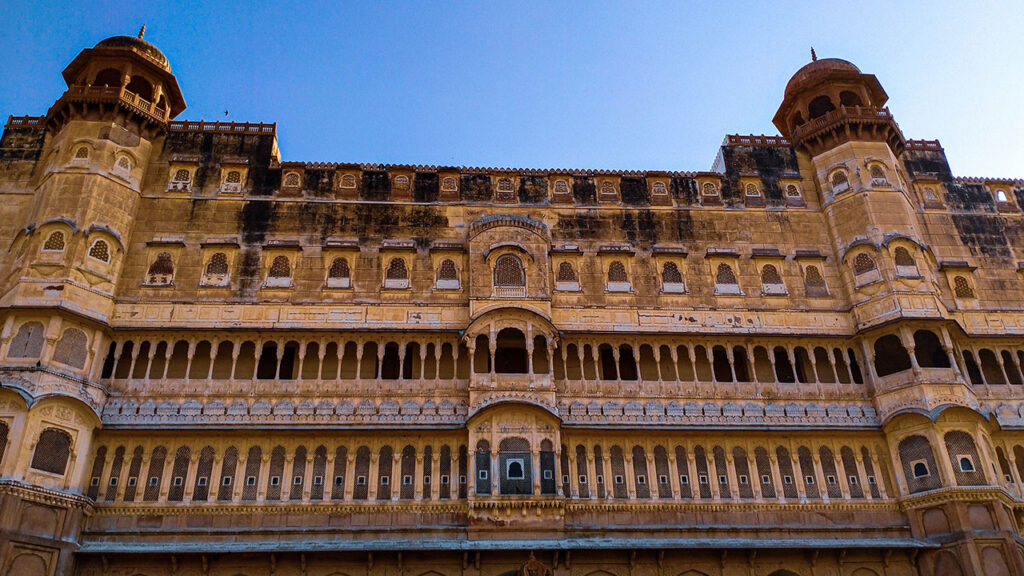
Known for Junagarh Fort, Karni Mata Temple, camel breeding farms and traditional Rajasthani culture.
Sri Ganganagar
Often referred to as Rajasthan’s food basket, Sri Ganganagar is known for its agricultural prosperity and canal network.
Bathinda
Located in neighbouring Punjab, Bathinda offers historical monuments, religious sites and vibrant Punjabi culture.
Abohar
A pleasant destination known for orchards, wildlife conservation efforts and proximity to the Rajasthan-Punjab border region.
Explore Hanumangarh with VNV Tours
Planning transportation in advance can significantly improve your travel experience, especially when exploring attractions spread across different parts of the district.
VNV Tours offers comfortable taxi service in Udaipur for travelers visiting Hanumangarh and other destinations across Rajasthan. Whether you are interested in historical tours, archaeological exploration, temple visits or customized Rajasthan itineraries, our experienced drivers and well-maintained vehicles help ensure a convenient and enjoyable journey.
From local sightseeing and intercity transfers to complete Rajasthan tour packages, we help travelers discover destinations at their own pace.
Trusted by Travelers Visiting Udaipur
Thousands of tourists rely on our comfortable and punctual cab services.
Final Takeaways
Hanumangarh is unlike any other destination in Rajasthan. While the state is famous for palaces, forts and desert landscapes, Hanumangarh offers visitors an opportunity to explore ancient civilizations, medieval history, living spiritual traditions, fertile agricultural landscapes and authentic local culture.
From the archaeological significance of Kalibangan and the historic grandeur of Bhatner Fort to the spiritual importance of Gogamedi and Bhadrakali Mata Temple, the district provides a rich variety of experiences for every type of traveler.
For those looking to venture beyond Rajasthan’s most visited destinations, Hanumangarh offers meaningful discoveries, fascinating history and a perspective on the state that many travelers never get to experience.
Frequently Asked Questions About Hanumangarh
- What is Hanumangarh famous for?
Hanumangarh is famous for Kalibangan, one of the most important sites of the Indus Valley Civilisation, as well as Bhatner Fort, Gogamedi Temple and its rich historical heritage. - Is Hanumangarh worth visiting?
Travelers interested in archaeology, history, spirituality, culture and offbeat destinations will find Hanumangarh particularly rewarding. - What is the best time to visit Hanumangarh?
The ideal time to visit is between October and March when temperatures remain comfortable for sightseeing and outdoor activities. - How many days are enough for Hanumangarh?
Two days are usually sufficient to cover the district’s major attractions, while three days allow a more relaxed exploration. - Why is Kalibangan important?
Kalibangan is one of the most significant archaeological sites associated with the Indus Valley Civilisation and provides valuable insights into one of the world’s earliest urban cultures. - How can I reach Hanumangarh?
Hanumangarh can be reached by train, road and nearby airports located in Jaipur, Chandigarh and Amritsar. - What food should I try in Hanumangarh?
Dal Baati Churma, Gatte Ki Sabzi, Bajra Roti, Punjabi curries, Kachori, Ghevar, Rabri and local sweets are among the dishes worth trying. - Is Hanumangarh suitable for family travel?
The district offers a combination of historical sites, cultural attractions, temples and educational experiences that appeal to travelers of all ages.