

Located just an hour from Jaipur, Dausa is one of Rajasthan’s most fascinating yet often overlooked travel destinations. While many visitors focus on Jaipur’s forts and palaces, Dausa offers an opportunity to explore a quieter side of Rajasthan where history, spirituality, architecture and local culture come together.
The district is best known for Chand Baori, one of the most remarkable stepwells in the world, but the experience does not end there. Ancient temples, heritage villages, sacred pilgrimage sites, vibrant local traditions and beautiful rural landscapes make Dausa a rewarding destination for travelers seeking more than conventional sightseeing.
Whether you are planning a day trip from Jaipur, a heritage tour across Rajasthan, or a cultural journey through the state’s lesser-known destinations, Dausa offers enough attractions to fill an enriching and memorable itinerary.
Table of Contents
ToggleDausa at a Glance
Dausa is located approximately 60 kilometres east of Jaipur in Rajasthan’s historic Dhundhar region. The district occupies an important place in Rajasthan’s history and is often associated with the early Kachwaha rulers before their rise in Jaipur.
The landscape consists of rocky hills, fertile agricultural land, traditional settlements, historic monuments, and ancient religious sites. Life here continues to reflect many of Rajasthan’s long-standing customs and traditions. Visitors often find that Dausa offers a more authentic glimpse of local culture compared to larger tourist centres.
Throughout the year, the district attracts a diverse mix of travelers including history lovers, architecture enthusiasts, pilgrims, photographers and those interested in exploring Rajasthan beyond its most famous destinations.

Best Places to Visit in Dausa
Chand Baori
Among all the attractions in Dausa, Chand Baori stands as the district’s most iconic landmark. Located in the village of Abhaneri, this extraordinary stepwell is widely regarded as one of the finest examples of ancient water architecture in India.
Built during the 8th or 9th century, Chand Baori was originally designed to collect and store water in a region where water conservation was essential for survival. What makes the monument truly remarkable is its design. Thousands of perfectly aligned stone steps descend deep into the earth, creating an intricate geometric pattern that appears almost hypnotic when viewed from above.
Beyond its visual appeal, Chand Baori showcases the advanced engineering knowledge of ancient India. The lower levels remain significantly cooler than the surrounding surface, providing relief from Rajasthan’s intense summer temperatures.
Today, the stepwell attracts travelers from across the world who come to admire its architecture, photograph its unique symmetry and learn about the region’s historical approach to water management.
For many visitors, Chand Baori alone is reason enough to include Dausa in their Rajasthan itinerary.
Harshat Mata Temple
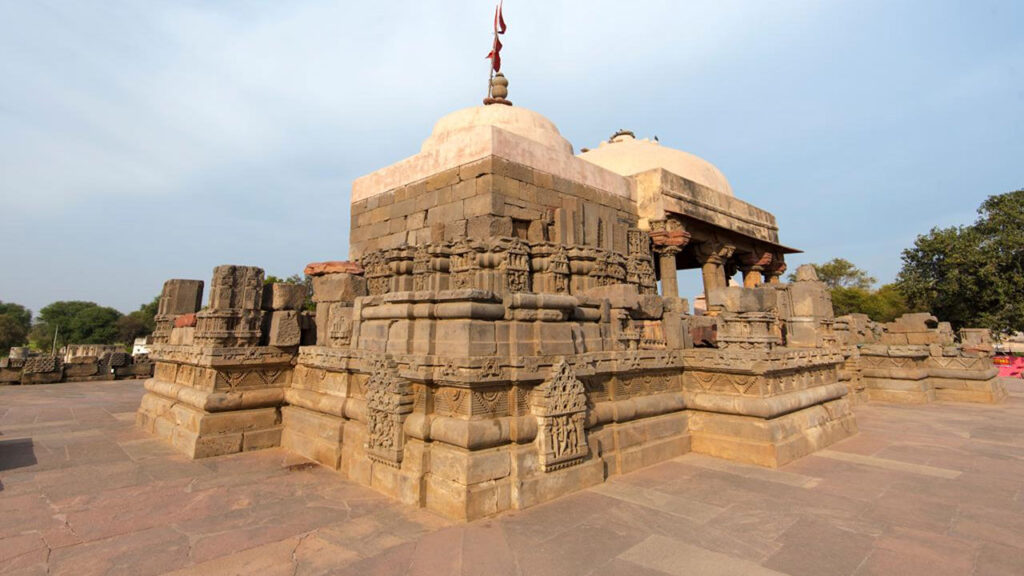
Located next to Chand Baori, the Harshat Mata Temple is one of Abhaneri’s most significant historical attractions. Dedicated to the Goddess of Joy and Happiness, the temple once formed part of a larger religious complex that flourished centuries ago.
Although parts of the original structure were damaged over time, the surviving carvings continue to demonstrate the exceptional craftsmanship of early medieval Rajasthan. Visitors can observe detailed sculptures, decorative stonework, floral patterns and mythological imagery that reflect the artistic traditions of the period.
Many travelers focus entirely on Chand Baori and overlook the temple, but those interested in history and architecture will find it equally rewarding. Together, these two monuments offer a fascinating glimpse into the cultural achievements of ancient Rajasthan.
Mehandipur Balaji Temple
One of Rajasthan’s most famous pilgrimage destinations, Mehandipur Balaji Temple attracts thousands of devotees every day. Dedicated to Lord Hanuman, the temple is known across India for its distinctive spiritual traditions and strong devotional atmosphere.
Unlike historical monuments that are appreciated primarily for their architecture, the significance of Mehandipur Balaji lies in the experience itself. The continuous chanting of prayers, the faith of visiting pilgrims and the temple’s unique rituals create an environment unlike any other religious site in Rajasthan.
Visitors often describe the temple as one of the most spiritually powerful places they have experienced. Tuesdays, Saturdays, and major Hindu festivals draw particularly large crowds, making early morning visits the most comfortable option.
For travelers interested in understanding Rajasthan’s religious culture, Mehandipur Balaji Temple remains one of the district’s most important attractions.
Bhandarej
Located about 10 kilometres from Dausa city, Bhandarej is a heritage village that offers visitors a chance to step back in time.
The village is known for its historic architecture, traditional streets, old havelis, temples, gateways, and stepwells. Walking through Bhandarej provides a very different experience from Rajasthan’s larger cities. The atmosphere is quieter, slower and deeply connected to local history.
One of the village’s most notable attractions is Bhandarej Baori, a beautifully constructed stepwell that reflects the region’s architectural traditions. Heritage enthusiasts often consider Bhandarej one of the most rewarding places to visit in the district because it preserves many elements of Rajasthan’s traditional way of life.
Travelers who enjoy photography, heritage walks and cultural exploration should consider adding Bhandarej to their Dausa itinerary.
Neelkanth Mahadev Temple
Situated amidst the scenic hills of the Aravalli region, Neelkanth Mahadev Temple is a revered shrine dedicated to Lord Shiva.
The journey to the temple is as enjoyable as the destination itself. Surrounded by natural beauty, the route becomes especially attractive during the monsoon season when the landscape turns lush and green.
Unlike larger pilgrimage centres that can become crowded throughout the year, Neelkanth Mahadev offers a peaceful environment where visitors can spend time in prayer, meditation or quiet reflection.
The temple is particularly popular during Mahashivratri, when devotees gather to celebrate one of the most important festivals dedicated to Lord Shiva.

Giriraj Dharan Temple
For travelers seeking a peaceful spiritual experience away from busy pilgrimage sites, Giriraj Dharan Temple is worth including in a Dausa itinerary. Dedicated to Lord Krishna, the temple is surrounded by tranquil landscapes that create a calm and welcoming atmosphere.
The simplicity of the surroundings is part of its appeal. Unlike larger religious destinations that attract thousands of visitors daily, Giriraj Dharan Temple offers an opportunity to spend time in a quieter environment where visitors can relax, reflect and appreciate the natural beauty of the region.
The nearby hills further enhance the setting, making it an enjoyable stop for both pilgrims and travelers exploring Dausa’s lesser-known attractions.
Hidden Gems of Dausa
While Chand Baori and Mehandipur Balaji Temple attract most visitors, Dausa is also home to several lesser-known destinations that showcase the district’s natural beauty, rural charm and cultural diversity.
Getolav Bird Habitat
Nature enthusiasts visiting Dausa should consider spending time at Getolav Bird Habitat. This wetland area becomes particularly attractive during winter when migratory birds arrive from various regions.
Early mornings are the best time to visit. The combination of bird activity, peaceful surroundings, and beautiful sunrise views makes Getolav a rewarding destination for birdwatchers and photographers alike.
Unlike many popular wildlife destinations, the habitat remains relatively uncrowded, allowing visitors to enjoy a more relaxed experience in nature.

Jhajhirampura
Jhajhirampura remains one of Dausa’s least explored attractions. Known for its natural springs, greenery and small temples dedicated to Lord Shiva and Lord Hanuman, the area offers a refreshing break from traditional sightseeing.
Travelers who enjoy discovering places beyond the usual tourist circuit often appreciate the peaceful atmosphere and natural surroundings found here. The lack of commercial tourism has helped preserve the area’s authentic character.
Lotwara
Lotwara provides visitors with an opportunity to experience traditional village life in Rajasthan. The village is known for its historical significance, local fairs, traditional architecture and cultural heritage.
Walking through the village offers insights into everyday rural life, while interactions with local artisans and residents help visitors better understand the traditions that continue to shape the region.
During the monsoon season, the surrounding countryside becomes especially scenic, with green fields and occasional sightings of peacocks adding to the charm of the landscape.

Things to Do in Dausa
Admire Rajasthan’s Architectural Heritage
Dausa is one of Rajasthan’s most rewarding destinations for architecture enthusiasts. From the geometric precision of Chand Baori to the intricate carvings of Harshat Mata Temple and the heritage structures of Bhandarej, the district showcases centuries of craftsmanship and engineering excellence.
Travelers interested in history and design can easily spend an entire day exploring these architectural treasures.
Experience Local Culture
One of the most enjoyable aspects of visiting Dausa is experiencing its traditional culture. Local fairs, religious gatherings, village markets and seasonal festivals provide opportunities to witness folk music, traditional attire, regional customs and everyday life in Rajasthan.
The district offers a more authentic cultural experience than many heavily commercialized tourist destinations.
Explore Local Markets
The local markets of Dausa offer a glimpse into the daily life of the region. Visitors can browse traditional textiles, handicrafts, jewelry, pottery and locally made products while interacting with shopkeepers and artisans.
These markets are ideal for travelers who enjoy discovering regional crafts and bringing home souvenirs that reflect Rajasthan’s cultural heritage.
Enjoy Photography
Dausa provides excellent photography opportunities throughout the year. Chand Baori remains the district’s most photographed attraction, but several other locations also deserve attention.
Photographers will find attractive subjects in heritage villages, temple architecture, local festivals, rural landscapes, wetlands and colorful markets. The combination of history, culture, and natural beauty makes Dausa particularly rewarding for travel photography.
Food and Cuisine of Dausa
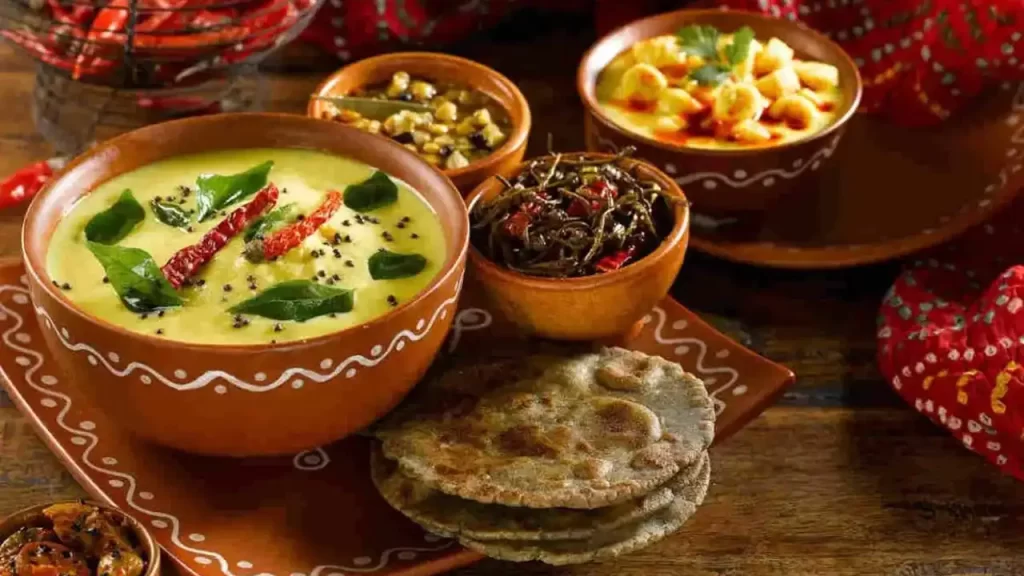
A visit to Dausa is incomplete without sampling the flavors of traditional Rajasthani cuisine. The food here reflects the region’s agricultural traditions and culinary heritage, offering simple yet satisfying dishes packed with flavor.
Popular local dishes include Dal Baati Churma, Gatte Ki Sabzi, Ker Sangri, Bajra Roti, Panchmel Dal, Mirchi Vada and various regional snacks.
Travelers with a sweet tooth should not miss local favorites such as Ghevar, Rabri, Malpua and Mawa Kachori, which are widely enjoyed across Rajasthan.
Many visitors discover that some of the best meals are served at roadside dhabas and family-run restaurants where traditional recipes have been passed down through generations. A traditional Rajasthani thali is often the best way to experience the variety of local flavors in a single meal.
Best Time to Visit Dausa
Winter (October to February)
Winter is widely considered the best season to visit Dausa. Pleasant daytime temperatures make sightseeing comfortable, allowing travelers to explore temples, monuments, villages and heritage sites without the intense heat of summer.
This season is particularly suitable for families, photographers, heritage enthusiasts and travelers planning day trips from Jaipur.
Monsoon (July to September)
The monsoon season transforms the surrounding countryside into a greener and more scenic landscape. The Aravalli hills become especially attractive during this period and visitor numbers are generally lower compared to winter.
Nature lovers and photographers often prefer this season because of the dramatic change in scenery.
Summer (March to June)
Summers in Dausa can be extremely hot, with temperatures frequently crossing 40°C. Travelers visiting during this period should plan sightseeing activities during early mornings or late afternoons.
While summer is not considered the ideal season, it does offer the advantage of fewer crowds at major attractions.
Make Every Mile Comfortable
Travel with clean, well-maintained vehicles, verified drivers and transparent pricing.
How to Reach Dausa
By Air
The nearest airport is Jaipur International Airport, located approximately 60-65 kilometres from Dausa. Visitors can hire taxis directly from Jaipur or continue their journey by road using public transportation.
By Train
Dausa Railway Station is well connected to major cities including Jaipur, Delhi, Agra, Bharatpur and Kota through regular train services.
By Road
Dausa enjoys excellent road connectivity and lies on the Jaipur-Agra corridor. The district can be easily reached from several major cities in Rajasthan and North India.
Approximate road distances include:
- Jaipur – 60 km
- Bharatpur – 65 km
- Delhi – 250 km
- Agra – 240 km
- Jodhpur – 400 km
- Udaipur – 500 km
Suggested One-Day Dausa Itinerary
For travelers visiting Dausa on a day trip, the following itinerary covers the district’s major attractions comfortably:
Morning
- Chand Baori
- Harshat Mata Temple
Afternoon
- Bhandarej Village
- Traditional Rajasthani lunch
Evening
- Mehandipur Balaji Temple
This itinerary combines heritage, culture, architecture and spirituality while making efficient use of travel time.
Travel Tips for First-Time Visitors
To make the most of your visit to Dausa, keep the following practical tips in mind:
- Start sightseeing early during warmer months.
- Wear comfortable footwear, especially when exploring historical sites.
- Carry drinking water throughout the day.
- Dress modestly while visiting temples and religious sites.
- Respect local customs and traditions.
- Keep some cash available for purchases in smaller markets and villages.
- Carry a camera or smartphone, as Dausa offers numerous photography opportunities.
- Plan temple visits outside peak hours whenever possible.
Places to Visit Near Dausa
Jaipur
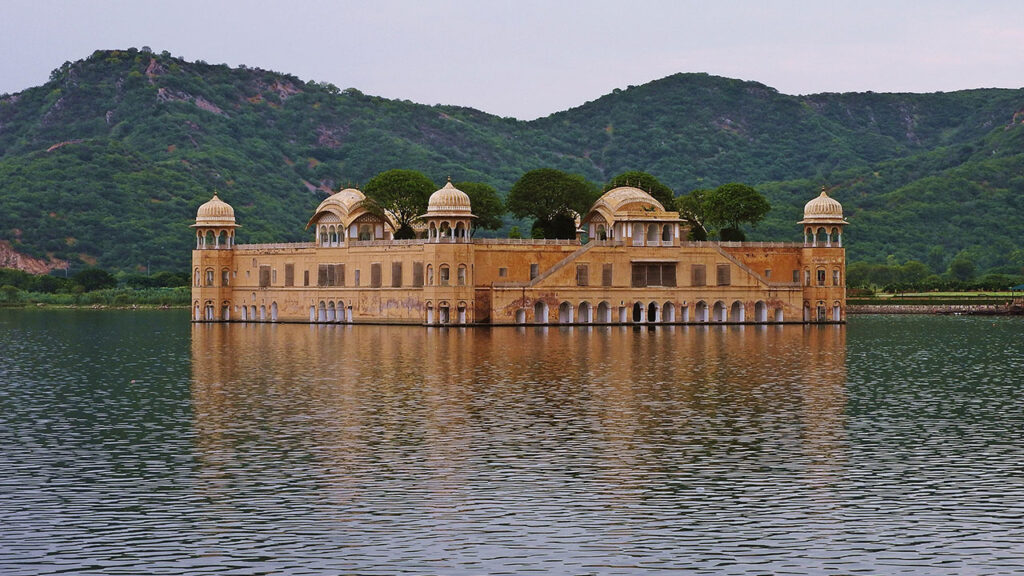
Located just an hour away, Jaipur remains one of the most convenient destinations to combine with a trip to Dausa. Attractions such as Amber Fort, City Palace, Hawa Mahal, Jal Mahal, Nahargarh Fort and Jantar Mantar make Jaipur an essential stop on most Rajasthan itineraries.
Abhaneri
Home to Chand Baori and Harshat Mata Temple, Abhaneri is among Rajasthan’s most important heritage villages and deserves dedicated time during any visit to Dausa.
Bharatpur
Nature lovers can continue their journey to Bharatpur, famous for Keoladeo National Park, one of India’s premier bird sanctuaries and a UNESCO World Heritage Site.
Alwar
Travelers interested in history, wildlife and natural beauty can explore attractions such as Bala Quila, City Palace, Siliserh Lake and Sariska Tiger Reserve.
Explore Dausa with VNV Tours
Planning a trip to Dausa? Comfortable transportation can make a significant difference when exploring attractions spread across different locations.
VNV Tours offers reliable taxi service in Udaipur for travelers visiting Dausa from Jaipur, Udaipur and other parts of Rajasthan. Whether you are planning a day trip to Chand Baori, a spiritual journey to Mehandipur Balaji Temple or a customized heritage tour covering multiple destinations, our experienced drivers and well-maintained vehicles help you travel comfortably and at your own pace.
For travelers searching for a car rental in Udaipur, VNV Tours also provides convenient transportation options for journeys connecting Udaipur with Dausa and other Rajasthan destinations.
From local sightseeing and airport transfers to complete Rajasthan tour packages, we ensure a hassle-free travel experience so you can focus on enjoying the destination rather than managing transportation.
Comfortable Cabs for Every Journey
From solo travelers to family groups, choose sedans, SUVs or tempo travellers for your trip.
Wrapping Up Your Dausa Journey
Dausa may not receive the same level of attention as Rajasthan’s larger tourist cities, but that is precisely what makes it special. The district offers an opportunity to experience heritage, spirituality, architecture and local culture in a setting that feels authentic and unhurried.
From the extraordinary symmetry of Chand Baori and the historical significance of Harshat Mata Temple to the spiritual energy of Mehandipur Balaji and the charm of traditional villages, Dausa presents a side of Rajasthan that many travelers never get to see.
Whether you are interested in history, photography, religious tourism, architecture or cultural exploration, Dausa rewards visitors with meaningful experiences and memorable discoveries. If you are planning a Rajasthan itinerary, this underrated destination deserves a place on your travel list.
Frequently Asked Questions About Dausa
- Why is Dausa famous?
Dausa is famous for Chand Baori, one of India’s most remarkable stepwells, as well as Mehandipur Balaji Temple, Harshat Mata Temple and its historical connection with the Kachwaha rulers.
- Is one day enough for Dausa?
Yes, most major attractions can be covered in a day. However, travelers interested in heritage and cultural experiences may prefer spending two days exploring the district at a more relaxed pace.
- What is the best time to visit Dausa?
The ideal time to visit Dausa is between October and February when the weather remains pleasant for sightseeing and outdoor activities.
- How far is Dausa from Jaipur?
Dausa is located approximately 60 kilometres from Jaipur and can be reached in about one hour by road.
- Can Dausa be visited as a day trip from Jaipur?
Yes. Due to its close proximity and excellent road connectivity, Dausa is one of the most popular day-trip destinations from Jaipur.
- What are the best foods to try in Dausa?
Visitors should try Dal Baati Churma, Gatte Ki Sabzi, Ker Sangri, Bajra Roti, Panchmel Dal, Ghevar, Rabri, Malpua and Mawa Kachori for an authentic taste of Rajasthan.