

When travelers plan a trip to Rajasthan, destinations like Jaipur, Udaipur, Jodhpur and Jaisalmer usually dominate the itinerary. Yet between the Aravalli Hills and the desert landscapes of western Rajasthan lies Pali, a district that quietly combines remarkable architecture, sacred pilgrimage sites, thriving wildlife and authentic rural experiences.
Pali is a destination of contrasts. One day you can be admiring the intricate marble carvings of Ranakpur Jain Temple, while the next begins with a leopard safari among the granite hills of Jawai. Ancient cave temples hidden in forested hills coexist with vibrant markets, peaceful lakes and villages where traditional Rajasthani culture continues to thrive.
For travelers seeking a deeper and more diverse Rajasthan experience, Pali offers far more than many first-time visitors expect.
Table of Contents
ToggleHistory of Pali
Pali’s history stretches back many centuries and is closely linked with trade, religion and regional politics. Owing to its strategic location on important commercial routes, the region developed into a significant trading centre that attracted merchants, craftsmen and religious communities.
Jain traders played an important role in shaping the district’s cultural landscape. Their contributions can still be seen in the magnificent temples, charitable institutions and heritage structures that survive today.
Over time, Rajput rulers, merchant communities and religious organisations helped create a rich cultural environment that blended commerce, spirituality and artistic achievement. The district’s impressive temples, traditional settlements, stepwells and local customs continue to reflect this heritage.
Today, Pali successfully combines its historical legacy with modern development while preserving many of the traditions that make it unique.
Why Visit Pali?
Pali is one of those destinations that reveals its character gradually. Unlike cities built around a single attraction, the district offers a mix of experiences that appeal to different kinds of travelers.
History lovers can explore centuries-old temples and heritage sites. Wildlife enthusiasts can venture into Jawai, one of India’s most unique leopard habitats. Spiritual travelers can visit revered temples nestled in the Aravalli Hills, while photographers will find endless opportunities among marble monuments, lakes, forests, wildlife and dramatic rocky landscapes.
Another advantage of visiting Pali is its location. Situated between Jodhpur, Udaipur, Mount Abu and Kumbhalgarh, it can easily be included in a longer Rajasthan itinerary while offering experiences that are very different from the state’s more famous tourist cities.
What truly makes Pali special, however, is its authenticity. The district has managed to preserve its cultural identity while remaining relatively untouched by mass tourism, allowing visitors to experience Rajasthan in a more natural and unhurried way.
Getting to Know Pali
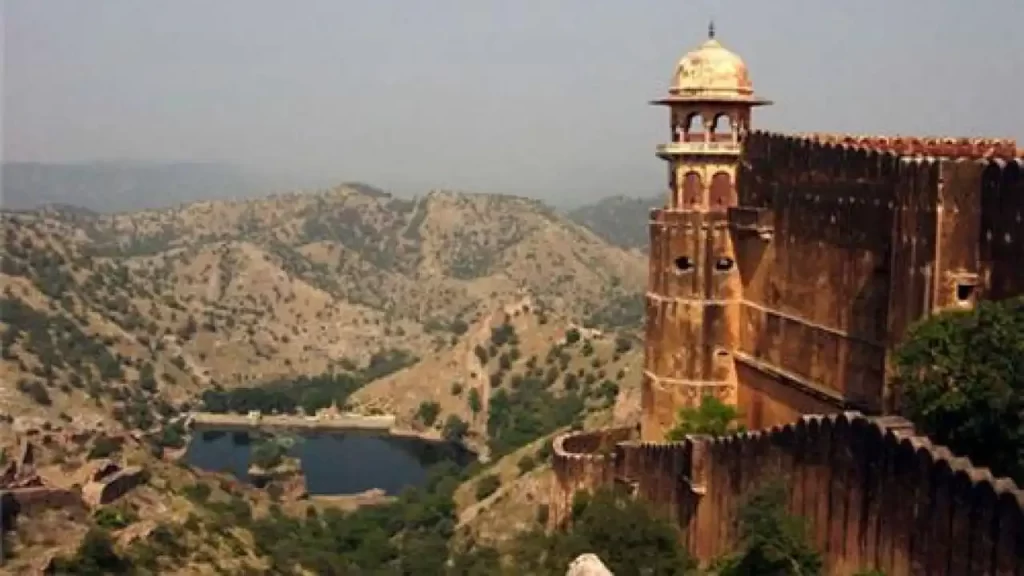
Located in western Rajasthan, Pali is surrounded by a landscape that ranges from fertile agricultural plains to the rugged beauty of the Aravalli Hills. The district has historically been an important centre of trade and commerce, particularly known for textiles, handicrafts and traditional industries.
Religion and culture continue to play an important role in everyday life. Ancient Jain temples, Shiva shrines, local fairs and traditional festivals remain an integral part of the region’s identity. At the same time, the growing popularity of destinations such as Jawai has introduced visitors to a different side of Rajasthan-one where wildlife conservation and community-based tourism work together.
This combination of heritage, spirituality, nature and local culture makes Pali one of Rajasthan’s most rewarding destinations for travelers willing to explore beyond the obvious.
Best Places to Visit in Pali
Ranakpur Jain Temple
Among all the attractions in Pali district, Ranakpur Jain Temple stands as the most celebrated architectural masterpiece. Located amidst the green valleys of the Aravalli Hills, this magnificent temple is widely regarded as one of the finest examples of Jain architecture in India.
Built during the 15th century and dedicated to Lord Adinath, the first Jain Tirthankar, the temple is famous for its extraordinary marble craftsmanship. Every pillar, ceiling, corridor and dome reflects a level of artistic detail that continues to amaze visitors centuries after its construction.
The temple’s most fascinating feature is its 1,444 marble pillars, each carved with a unique design. As sunlight filters through the marble halls, the intricate carvings create beautiful patterns of light and shadow that change throughout the day.
Even travelers with little interest in religion often consider Ranakpur one of the highlights of their Rajasthan journey. The combination of architectural brilliance, spiritual atmosphere and natural surroundings creates an experience that is both visually impressive and deeply peaceful.
Visitors should plan sufficient time to explore the complex carefully, as many of its finest details are easy to overlook during a quick visit.
Jawai Dam and Leopard Conservation Area
Few wildlife destinations in India offer an experience quite like Jawai.
Located within the rugged granite landscape of western Rajasthan, Jawai has earned international recognition for its thriving leopard population and the remarkable relationship that exists between wildlife and local communities. Unlike traditional national parks where sightings can never be guaranteed, Jawai’s rocky hills provide natural shelters that make leopard encounters surprisingly frequent.
What makes the region even more fascinating is the peaceful coexistence between villagers and wildlife. Leopards have shared this landscape with local communities for generations, creating one of India’s most unique conservation stories.
A safari through Jawai is about far more than spotting leopards. The dramatic granite formations, open landscapes, shepherd settlements and ancient temples hidden among the hills contribute to the area’s distinctive character.
During winter, the Jawai reservoir also attracts large numbers of migratory birds including cranes, flamingos, pelicans and numerous waterfowl species. As a result, the region appeals equally to wildlife enthusiasts, photographers, birdwatchers and nature lovers.
Early morning and late afternoon safaris generally provide the best opportunities for wildlife sightings while also offering spectacular views of the landscape.

Parshuram Mahadev Temple
Hidden within the forested hills of the Aravallis, Parshuram Mahadev Temple combines spirituality, mythology and natural beauty in a way few destinations can match.
According to local belief, Lord Parshuram carved this cave temple using his axe before performing intense meditation dedicated to Lord Shiva. Today, pilgrims and travelers alike undertake the climb to reach this sacred site.
The journey itself forms an important part of the experience. Hundreds of steps lead visitors through scenic hill landscapes before reaching the temple complex. Along the way, panoramic views of the surrounding mountains reward the effort required to reach the shrine.
Inside the cave, naturally formed rock structures associated with Lord Shiva and Lord Ganesha attract devotees throughout the year. During Mahashivratri, thousands of pilgrims gather here to participate in celebrations and religious ceremonies.
For travelers interested in combining a moderate trek with cultural and spiritual exploration, Parshuram Mahadev remains one of the most memorable destinations in Pali district.
Nimbo Ka Nath Temple
Set amidst peaceful natural surroundings, Nimbo Ka Nath Temple is one of the district’s lesser-known spiritual destinations.
Dedicated to Lord Shiva, the temple is associated with legends connected to the Mahabharata. Local traditions suggest that Kunti, the mother of the Pandavas, worshipped here during the period of exile described in the epic.
Whether visitors are drawn by mythology or simply seeking a peaceful atmosphere, the temple offers an enjoyable escape from busier tourist locations. The surrounding hills and greenery create a serene setting that encourages visitors to slow down and spend time appreciating the landscape.
Seasonal religious fairs attract devotees from nearby villages and add an additional cultural dimension to the experience.
Surya Narayan Temple
Located near Ranakpur, the Surya Narayan Temple is often overlooked by travelers focused entirely on the famous Jain temple. However, those who take the time to visit discover another remarkable example of Rajasthan’s architectural heritage.
Built in the Nagara style, the temple is dedicated to Lord Surya, the Sun God. Intricately carved walls feature celestial imagery, mythological figures, horses and decorative motifs that demonstrate the artistic skill of the craftsmen who created the structure.
The temple’s peaceful setting and detailed stonework make it a rewarding stop for visitors interested in history, architecture and religious heritage.
Combined with a visit to Ranakpur Jain Temple, it provides a deeper understanding of the region’s rich cultural and architectural traditions.
Samand Lake
For travelers seeking relaxation and natural beauty, Samand Lake offers a refreshing change of pace.
Built during the reign of Maharaja Umaid Singh, the lake has long served as one of Pali’s most attractive natural destinations. Surrounded by scenic landscapes and seasonal wetlands, it provides an ideal setting for photography, birdwatching and peaceful outdoor experiences.
Winter is particularly rewarding, as migratory birds arrive in significant numbers. The surrounding region also supports wildlife such as Nilgai, Chinkara and Blackbuck, adding further interest for nature enthusiasts.
Whether you visit for a quiet evening, a photography session or simply to enjoy the scenery, Samand Lake offers a different perspective on Pali’s diverse attractions.
Bangur Museum
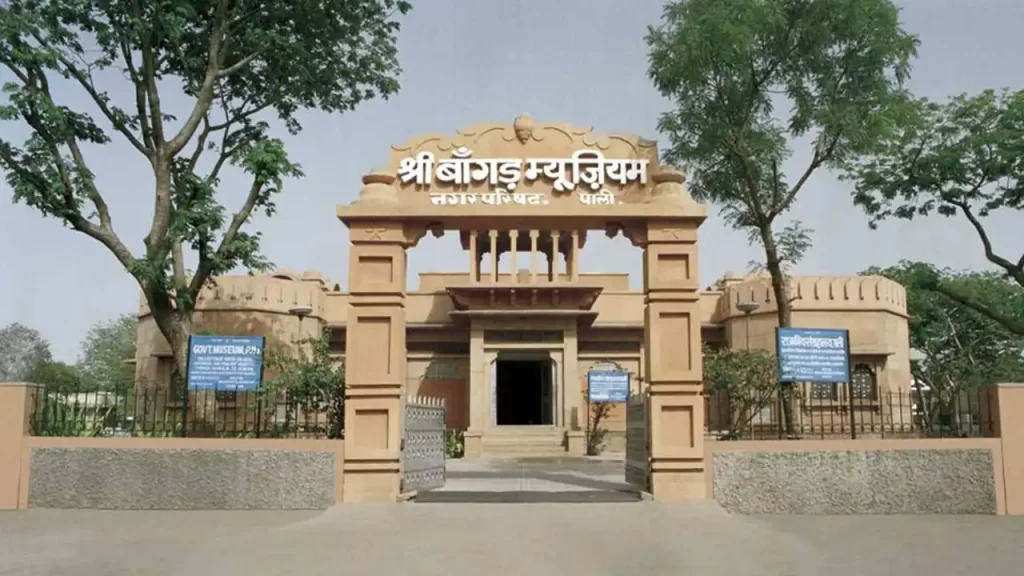
For travelers interested in understanding the history and cultural evolution of Pali, Bangur Museum is an excellent place to begin. The museum houses a collection of sculptures, coins, manuscripts, weapons, archaeological discoveries and historical artefacts collected from various parts of the district.
A visit here provides valuable context before exploring Pali’s temples, heritage towns and historical sites. The exhibits offer insights into the region’s religious traditions, artistic achievements and commercial importance throughout different periods of history.
History enthusiasts will particularly appreciate the opportunity to see objects that help tell the story of Pali’s development as one of Rajasthan’s important cultural and trading centres.
Hidden Gems of Pali
Beyond its famous temples and wildlife destinations, Pali is home to several lesser-known attractions that deserve a place on a well-planned itinerary.
Om Banna Dham (Bullet Baba Temple)
Among Rajasthan’s most unusual religious sites, Om Banna Dham attracts travelers from across the country. The temple is dedicated to Om Singh Rathore and his Royal Enfield motorcycle, which became the centre of a popular local legend.
Today, motorists and travelers often stop here to seek blessings for a safe journey. The temple’s unique story and roadside location have made it one of Rajasthan’s most interesting roadside attractions.
Ghanerao
Nestled near the Aravalli Hills, Ghanerao is a heritage town that retains much of its old-world charm. Historic havelis, traditional temples, narrow lanes and a heritage castle create an atmosphere that feels distinctly different from Rajasthan’s larger cities.
Travelers interested in heritage walks, architecture and rural culture will find Ghanerao particularly rewarding. The town also serves as a peaceful base for exploring nearby attractions.
Explore the City at Your Own Pace
Choose hourly or full-day taxi packages for sightseeing, shopping and local travel.
Sojat - The Henna Capital of India
Sojat enjoys international recognition for producing some of the finest henna in the world. The town’s henna industry supports thousands of families and plays an important role in the local economy.
Apart from its famous mehndi, Sojat offers traditional markets, temples, local crafts and a glimpse into the commercial heritage of the region. Visitors often enjoy exploring the bustling markets where henna products are sold in various forms.
Hatundi Rata Mahavir Swami Temple
Located amidst scenic surroundings, this Jain pilgrimage site is admired for its marble architecture and peaceful atmosphere. The temple reflects the deep Jain heritage that has influenced much of Pali’s cultural landscape.
Visitors looking for a quieter spiritual experience often find this temple especially appealing.
Ranakpur Dam
Often overshadowed by the nearby Jain temple, Ranakpur Dam offers beautiful natural scenery, especially after the monsoon season. Surrounded by hills and greenery, it provides opportunities for photography, short walks and peaceful relaxation.
Travelers visiting Ranakpur should consider spending some time here to appreciate the region’s natural beauty beyond its architectural landmarks.
Lakhotia Garden
Located within Pali city, Lakhotia Garden serves as a popular recreational space for local residents. The garden offers pleasant walking paths, green surroundings and a relaxing environment suitable for families and casual visitors.
For travelers spending time in the city, it provides a welcome break from sightseeing.

Experiences You Should Not Miss in Pali
Experience a Jawai Leopard Safari
A visit to Jawai remains one of the most memorable wildlife experiences available in Rajasthan. The opportunity to observe leopards roaming freely among granite hills is unlike anything found elsewhere in the country.
Morning and evening safaris not only improve wildlife viewing opportunities but also showcase the dramatic beauty of the landscape.
Explore Rajasthan’s Finest Marble Architecture
Ranakpur Jain Temple is often regarded as one of India’s greatest architectural achievements. Spending time admiring its intricate carvings, unique pillars and peaceful atmosphere is an experience that should not be rushed.
Architecture enthusiasts frequently consider Ranakpur one of the highlights of their Rajasthan journey.
Discover Spiritual Rajasthan
Pali offers numerous opportunities for spiritual exploration. From ancient cave temples and Shiva shrines to important Jain pilgrimage sites, the district reflects the deep religious traditions that continue to shape local culture.
Visitors often find these destinations rewarding not only for their religious significance but also for their scenic settings and historical importance.
Explore Local Markets
Traditional markets provide an excellent opportunity to experience everyday life in Pali. Visitors can shop for textiles, handicrafts, jewellery, leather goods, local products and Sojat’s famous henna while interacting with local traders and artisans.
Food and Cuisine of Pali
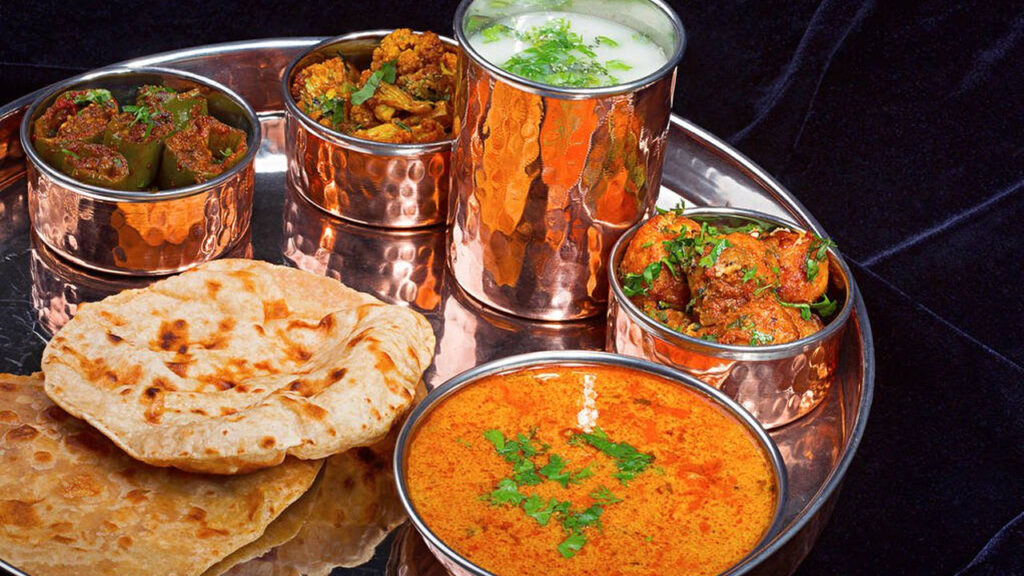
Food is an essential part of the travel experience in Pali. Influenced by Marwari and Rajasthani culinary traditions, the local cuisine is known for its bold flavours, practical use of ingredients and rich variety.
Among the most popular traditional Rajasthani food are Dal Baati Churma, Gatte Ki Sabzi, Ker Sangri, Laal Maas, Bajra Roti, Garlic Chutney and Papad Ki Sabzi. These dishes represent the culinary heritage that has evolved to suit Rajasthan’s climate and lifestyle.
Street food lovers will find plenty to enjoy in local markets where Pyaaz Kachori, Mirchi Vada, Samosa, Chaat and freshly prepared snacks are widely available.
Those with a sweet tooth should not miss Ghewar, Rabri, Malpua, Jalebi, Mawa Kachori and Besan Chakki, all of which remain popular throughout the region.
For the most authentic experience, travelers should consider dining at local restaurants, family-run establishments and traditional dhabas where regional recipes are still prepared using traditional methods.
Best Time to Visit Pali
Winter (October to March)
Winter is widely considered the best season to explore Pali. Pleasant temperatures make sightseeing comfortable and create ideal conditions for wildlife safaris, photography, temple visits and outdoor activities.
This period is particularly popular among travelers visiting Jawai for leopard sightings and birdwatching.
Monsoon (July to September)
The monsoon transforms Pali’s landscapes. Hills become greener, lakes fill with water and the countryside appears far more vibrant than during the dry season.
Nature lovers and photographers often prefer this time of year because of the dramatic scenery and relatively smaller tourist crowds.
Summer (April to June)
Summers can be extremely hot, with temperatures frequently exceeding 40°C. Travelers visiting during this period should focus on early morning and evening activities while avoiding extended outdoor exploration during the afternoon.
Your Journey Starts Here
Whether sightseeing, vacation trip or business travel, we have the perfect taxi for you.
Suggested Itineraries
One-Day Pali Itinerary
Morning:
- Ranakpur Jain Temple
- Surya Narayan Temple
Afternoon:
- Traditional Rajasthani lunch
- Bangur Museum
Evening:
- Jawai Dam
- Optional leopard safari
Two-Day Pali Itinerary
Day 1
- Ranakpur Jain Temple
- Surya Narayan Temple
- Ranakpur Dam
- Sunset at Jawai
Day 2
- Morning leopard safari
- Parshuram Mahadev Temple
- Nimbo Ka Nath Temple
- Local market exploration
How to Reach Pali
By Air
Jodhpur Airport is the nearest airport and is located approximately 75-80 kilometres from Pali. The airport offers regular flights connecting major Indian cities including Delhi, Mumbai, Jaipur, Ahmedabad and Bengaluru.
By Train
Pali Marwar Railway Station enjoys good connectivity with major cities and railway junctions across Rajasthan and western India, making train travel a convenient option.
By Road
Pali is well connected through Rajasthan’s highway network and can be reached comfortably by private taxi, self-drive vehicle or state-run buses.
Approximate distances:
- Jodhpur – 75 km
- Udaipur – 160 km
- Ajmer – 170 km
- Jaipur – 300 km
Travel Tips for First-Time Visitors
To enjoy a smooth and comfortable trip, keep these practical suggestions in mind:
- Begin sightseeing early during warmer months.
- Carry cash when visiting smaller markets and villages.
- Dress modestly while visiting temples and religious sites.
- Remove footwear before entering temple premises.
- Carry binoculars if planning birdwatching around Jawai or Samand Lake.
- Book leopard safaris well in advance during peak travel season.
- Respect local customs and maintain silence in religious places.
- Carry sufficient drinking water during outdoor activities.
Places to Visit Near Pali
Jodhpur
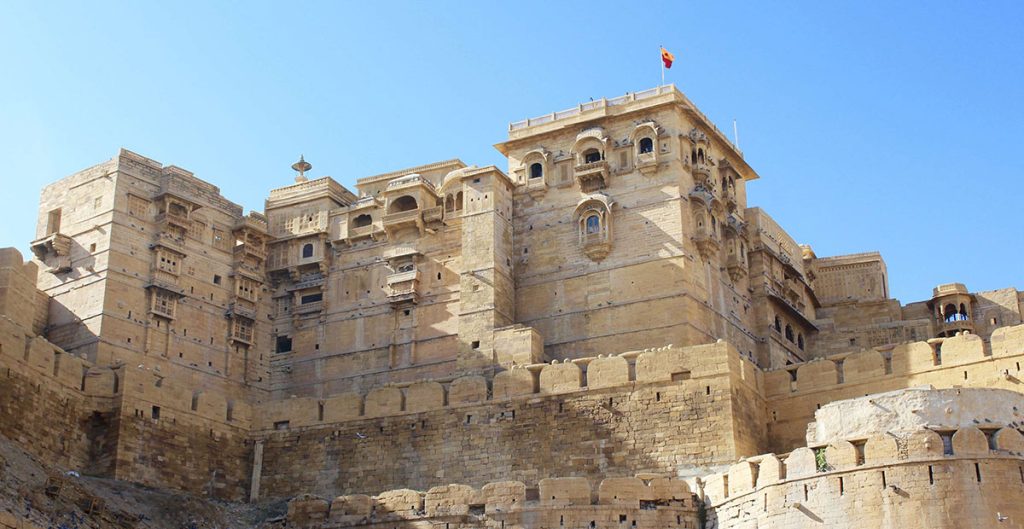
Explore Mehrangarh Fort, Jaswant Thada, the Blue City, traditional markets and Rajasthan’s royal heritage.
Mount Abu
Rajasthan’s only hill station offers attractions such as Nakki Lake, Guru Shikhar and the famous Dilwara Jain Temples.
Kumbhalgarh
Home to the magnificent Kumbhalgarh Fort and one of the longest fortification walls in the world.
Udaipur
Known as the City of Lakes, Udaipur offers palaces, lakes, heritage hotels and some of Rajasthan’s most famous attractions.
Jawai Region
Travelers with additional time should consider extending their stay in Jawai to enjoy wildlife safaris, village experiences, photography sessions and peaceful evenings beneath the Aravalli skies.
Explore Pali with VNV Tours
Exploring Pali becomes significantly more convenient when transportation is arranged in advance, particularly because many attractions are spread across different parts of the district.
VNV Tours provides reliable taxi service in Udaipur for travelers visiting Pali, Jawai, Ranakpur and nearby destinations across Rajasthan. Whether you are planning a leopard safari, a temple tour, a heritage journey or a customised Rajasthan itinerary, our experienced drivers and well-maintained vehicles help ensure a comfortable and hassle-free travel experience.
From airport transfers and sightseeing tours to multi-day Rajasthan packages, we help travelers discover the region at their own pace.
Book a Taxi in Udaipur?
Get reliable cab service with professional drivers and transparent pricing.
Plan Your Pali Trip
Pali is one of Rajasthan’s most diverse travel destinations. Within a single district, visitors can explore extraordinary marble temples, encounter wildlife in Jawai, visit sacred cave shrines, discover heritage towns, relax beside scenic lakes and experience the traditions of rural Rajasthan.
Unlike many heavily visited tourist destinations, Pali still offers opportunities for genuine discovery. Travelers can move between history, spirituality, culture, architecture and nature without feeling overwhelmed by crowds.
Whether you are planning a short stop during a Rajasthan road trip or a dedicated exploration of the region, Pali rewards visitors with experiences that are memorable, authentic and distinctly different from anywhere else in the state.
Frequently Asked Questions About Pali
- What is Pali famous for?
Pali is famous for Ranakpur Jain Temple, Jawai Leopard Safari, Parshuram Mahadev Temple, Sojat henna, heritage sites and wildlife experiences.
- How many days are enough for Pali?
A two to three-day trip is ideal for covering major attractions including Ranakpur, Jawai, temples, heritage sites and nearby destinations.
- What is the best time to visit Pali?
October to March offers the most pleasant weather for sightseeing, wildlife safaris, photography and outdoor exploration.
- Is Jawai Leopard Safari worth it?
Yes. Jawai is one of India’s most unique wildlife destinations and offers excellent opportunities to observe leopards in their natural habitat.
- Can tourists visit Ranakpur Jain Temple?
Yes. Visitors are welcome, though they should follow temple guidelines regarding dress code, photography and footwear.
- How can I reach Pali?
Pali can be reached by air through Jodhpur Airport, by train via Pali Marwar Railway Station or by road through Rajasthan’s highway network.
- What food should I try in Pali?
Dal Baati Churma, Gatte Ki Sabzi, Ker Sangri, Laal Maas, Bajra Roti, Ghewar, Rabri and Mawa Kachori are among the most popular local dishes.
- Is Pali suitable for family travel?
Yes. The district offers a balanced mix of heritage sites, wildlife experiences, temples, lakes, gardens and cultural attractions suitable for travelers of all ages.